


When Fashion Becomes Cinema: Sofia Coppola’s Portrait of Marc Jacobs
As fashion continues to expand beyond the runway, entering the language of cinema and image-making, the boundaries between disciplines begin to dissolve.
Now showing in select theaters from March 20, 2026, Marc by Sofia marks Sofia Coppola’s first documentary, turning her lens toward Marc Jacobs to reframe fashion as a cinematic language — where process replaces narrative and style becomes a structure of thought.
RELEASE DATE: March 20
DIRECTOR: Sofia Coppola

"Marc by Sofia," theatrical poster for its exclusive release beginning March 20, 2026
Image: courtesy of A24
There is a certain kind of proximity that cannot be staged. It can only be observed — over time, through trust, through a shared visual language.
In Marc by Sofia, Filmmaker Sofia Coppola turns her camera toward Marc Jacobs not to explain him, but to remain close to the process that defines him. The result is her first documentary — a work that resists the genre's conventions. Instead, it unfolds as something quieter, more intuitive, and deeply aligned with the nature of fashion itself.
Premiered as part of the Official Selection at the 82nd Venice Film Festival, out of competition, the film positions itself at the intersection of cinema and fashion — not as commentary, but as form. There is no attempt to construct a narrative arc or impose psychological framing. Instead, Coppola builds a space in which time, gesture, and repetition become the primary tools of observation.
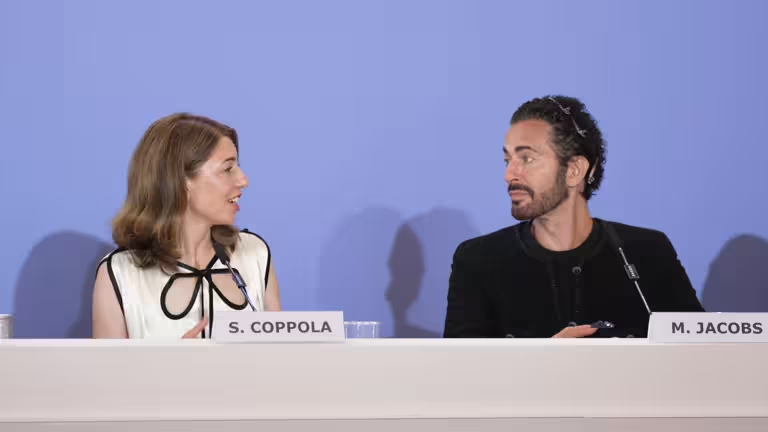
Sofia Coppola and Marc Jacobs "Marc By Sofia" Press Conference - The 82nd Venice International Film Festival
Image: courtesy of Getty Images
''I’ve never done anything like this where there isn’t a plan or a script.''
''There was no off limits… it was just come as you are.''
Left: Sofia Coppola with Marc Jacobs at his annual holiday party, 2003
Right: Companion book to Sofia Coppola’s documentary "Marc by Sofia," published by A24 in collaboration with MACK
Image: Courtesy of Getty Images & MACK Books

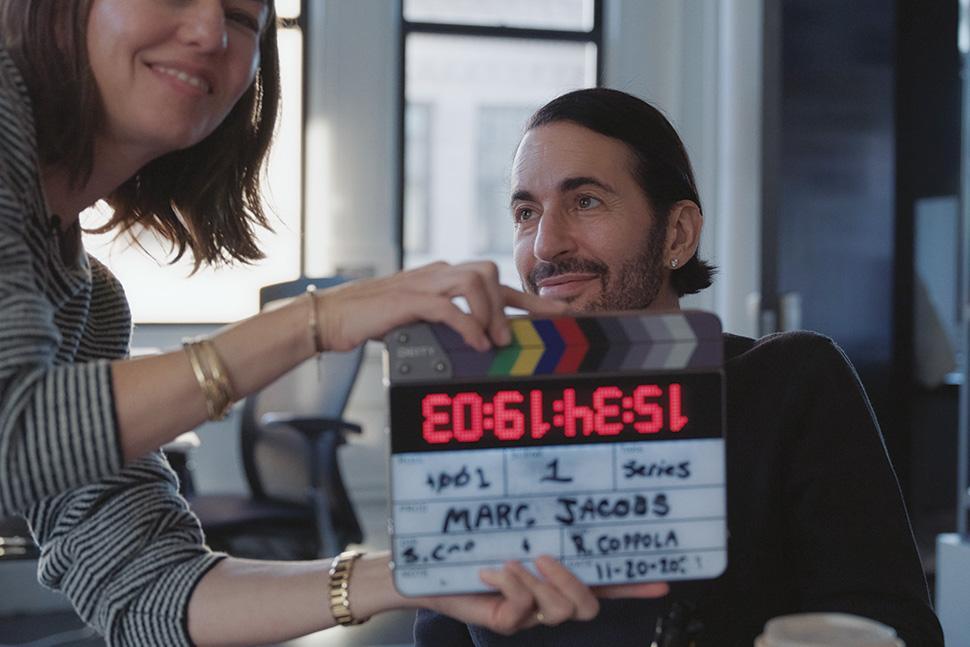
Sofia Coppola and Marc Jacobs backstage during the making of “Marc by Sofia.”
Image: courtesy of A24
The film shifts fluidly between past and present, weaving archival fragments into the immediacy of the studio. Early references, cultural ruptures, and defining moments in Jacobs’s career surface not as milestones, but as echoes — embedded within the current process rather than separated from it. Memory, in this sense, is not retrospective. It is active.
Left & Right: Companion book to Sofia Coppola’s documentary "Marc by Sofia," published by A24 in collaboration with MACK
Image: Courtesy of MACK Books
Following its Venice premiere, Marc by Sofia now reaches audiences through a limited theatrical release, with select screenings in New York marking its public debut from March 20. The format of its distribution reinforces the nature of the work itself: not mass consumption, but a considered encounter.
Left & Right: "Marc by Sofia," theatrical poster for its exclusive release beginning March 20, 2026
Image: courtesy of A24
Nothing in the film insists on interpretation. There is no resolution, no conclusion in the conventional sense. Instead, Coppola offers a sustained act of looking — one that allows the viewer to remain inside the space where form is still becoming.
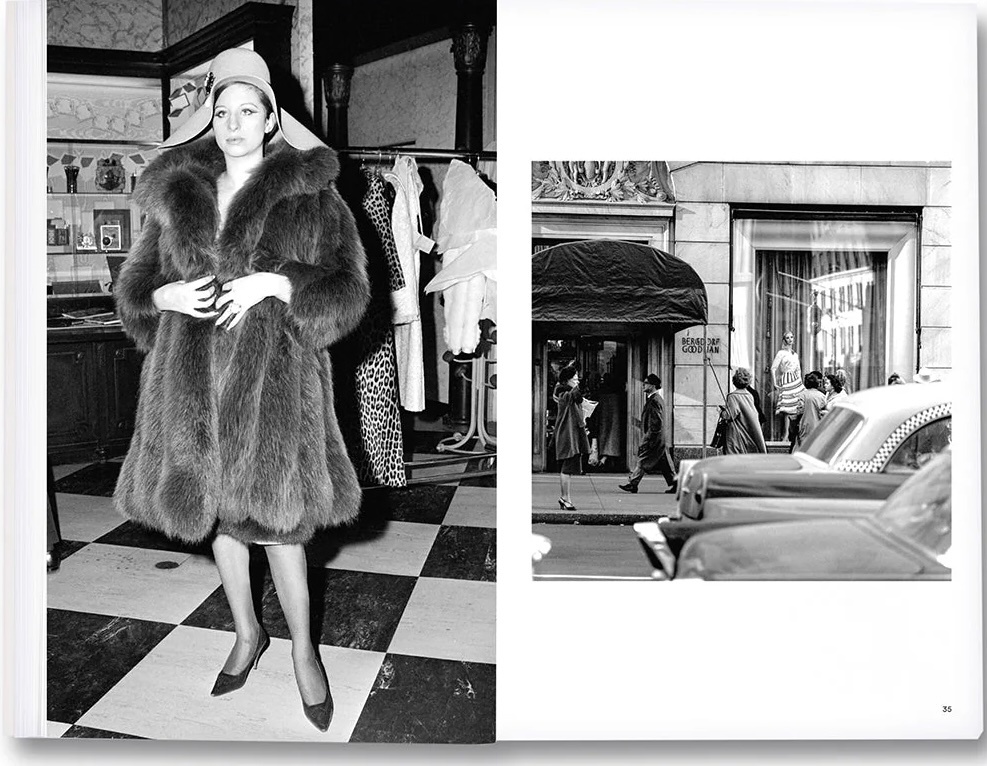
Sofia Coppola’s portrait of Marc Jacobs, tracing his creative evolution from Parsons to his own label.
Featuring conversations, archival images, and studio insights.
Hardcover · 200 pages
Available May 2026
Left & Right: Companion book to Sofia Coppola’s documentary "Marc by Sofia," published by A24 in collaboration with MACK
Image: Courtesy of MACK Books
Because here, as in fashion at its most precise, style is not surface.
It is structured.
Stay tuned to Fillin Magazine for more stories at the intersection of fashion, art, and culture.