Beyond Fashion: Dolce&Gabbana and the Architecture of Cultural Memory

What happens when fashion moves beyond the realm of consumption and begins to function as a system of cultural memory? This question lies at the heart of the landmark exhibition From the Heart to the Hands: Dolce&Gabbana, presented at the Institute of Contemporary Art, Miami, from February 6 through June 14, 2026 — the exhibition’s first presentation in the Americas.

Exterior ICA | From the Heart to the Hands: Dolce&Gabbana, 2026

Image Courtesy: Dolce&Gabbana | Greg Kessler

More than 300 exhibits — including archival and newly created works from the Alta Moda, Alta Sartoria, and Alta Gioielleria collections — reveal not only the visual language of Dolce&Gabbana, but also the very process through which an idea is transformed into material form. At the core of the project lies the principle of ongoing reinterpretation— the creative practice of Domenico Dolce and Stefano Gabbana, in which historical, artistic, and artisanal sources are continuously reimagined through the contemporary language of fashion.

The exhibition traces the journey from initial inspiration to final handcrafted execution, presenting craft not as a secondary production method, but as an autonomous form of knowledge and a medium of cultural expression. The exhibition unfolds as a cartography of Italian identity, in which Sicily, Sardinia, Rome, and Milan cease to exist merely as geographical locations and emerge instead as complex systems of cultural codes — revealed through architecture, decorative arts, artisanal traditions, opera, theatre, folklore, and collective visual memory. Together, these elements form a multilayered vision of heritage translated into the language of haute couture.

From the Heart to the Hands captures a moment in which a fashion house moves beyond the role of a producer of aesthetic objects and begins to operate as an institution of cultural production. In this context, luxury is understood not merely as a marker of status, but as a form of preserving, interpreting, and transmitting collective memory — simultaneously material, historical, and symbolic.
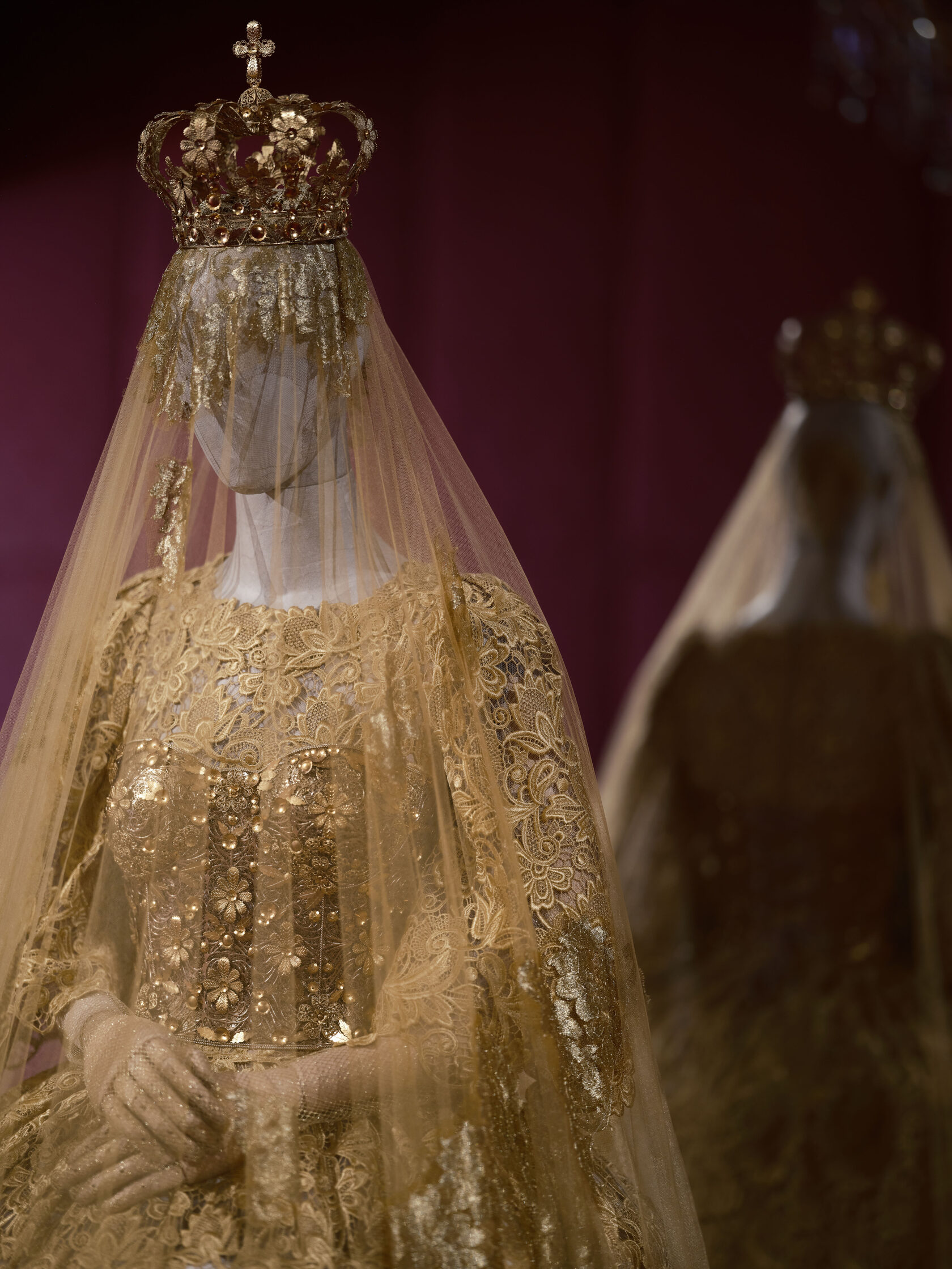
Alta Moda is the ultra-exclusive, handcrafted haute couture line created by Italian designers Domenico Dolce and Stefano Gabbana. Launched in July 2012 in Taormina, Sicily, it serves as the ultimate expression of Italian luxury, high fashion, and dedicated artistry. Instead of catering to seasonal mainstream trends, Alta Moda operates on the philosophy of "Fatto a Mano" (made by hand), creating entirely custom, one-of-a-kind wearable art pieces for a select global clientele.
Alta Sartoria translates to "high-level tailoring" in Italian. It is Dolce & Gabbana’s exclusive, made-to-measure menswear collection — the men’s equivalent of their famous Alta Moda (women's high fashion) line.
Alta Gioielleria is Dolce & Gabbana's ultra-luxurious, one-of-a-kind high jewelry collection. First launched in 2012, the name translates to "High Jewelry" in Italian. Each piece is handcrafted in Italy and features rare precious stones, intricate goldwork, and unique designs.
Explore the Creative Vision and Craftsmanship Behind Dolce&Gabbana’s Design

Introduction to the Exhibition

Following an extensive international tour that included its premiere in Milan (Palazzo Reale, 2024), subsequent presentations in Paris (Grand Palais, 2025) and Rome (Palazzo delle Esposizioni, 2025) — where the run was extended in response to exceptional public demand — From the Heart to the Hands: Dolce&Gabbana arrived at ICA Miami as a more institutionally mature iteration of itself. Here it moved beyond the framework of a spectacular fashion retrospective and became an object of museum-level inquiry: not about the brand as an industry phenomenon, but about fashion as a complex system of cultural production situated at the intersection of craft, image, and institutional representation.

The curatorial logic advanced by Florence Müller frames the project as a multilayered investigation of fashion as a form of cultural knowledge — one in which clothing functions not as an object of display, but as a vehicle for narrative, historical memory, identity, and social codes. In this context, the scenography by Agence Galuchat operates not as a decorative intervention but as a structural instrument: the exhibition space becomes a sequence of scenes in which each room articulates a distinct mode of the Italian cultural imaginary. Production coordination led by MARI, in partnership with IMG, ensures a rare degree of institutional mobility, allowing the exposition to maintain conceptual coherence across shifting architectural and cultural environments.
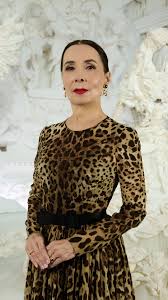
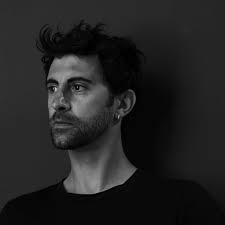
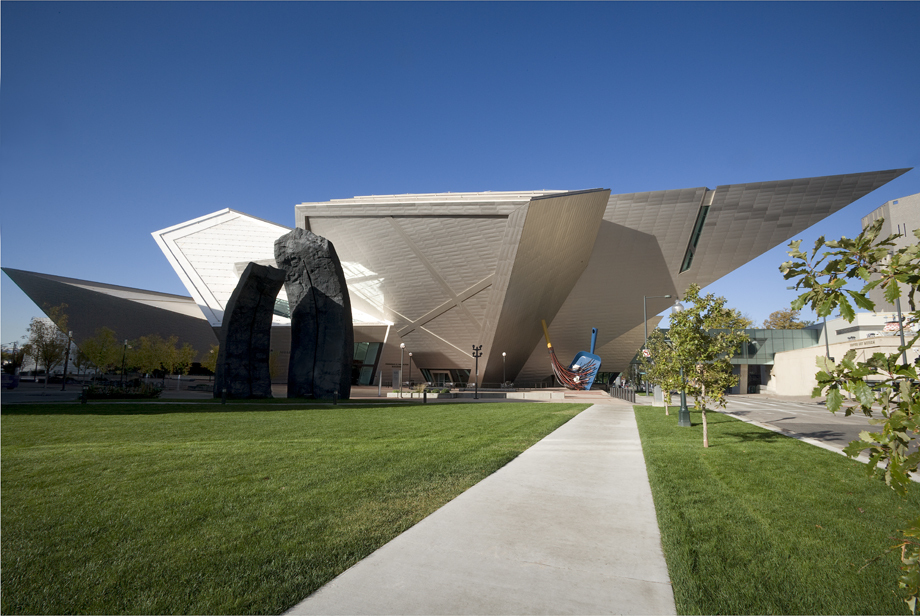
Florence Müller is an internationally recognized curator, fashion historian, professor, and author. At various points in her career, she has served as director and curator of UFAC (Union Française des Arts du Costume) at the Musée des Arts Décoratifs in Paris, and as curator of textile art and fashion at the Denver Art Museum. She was associated with the IFM (Institut Français de la Mode) for twenty-five years. The author of more than forty books, she has been awarded the Grand Prix du Livre de Mode by the University of Lyon three times.
Agence Galuchat is a Paris-based creative agency and design studio specializing in scenography, art direction, and event design. They are known for transforming spaces into immersive, cinematic environments, particularly for major global exhibitions and luxury brands.

MARI

MARI is a new global force in live experiences, uniting world-class events across sport, art, theatre, and lifestyle. Founded by Ariel Emanuel, with Mark Shapiro as Principal Investor and Board Member, MARI draws on decades of leadership redefining culture and entertainment to champion the moments that bring people together.
IMG, as the largest global licensing business representing 3rd party clients we are proud to manage the licensing programs of many of the world’s best-known brands, media franchises, events, trademarks and talent.

Miami Opening Event | From the Heart to the Hands: Dolce&Gabbana – ICA Miami, 2026

Image Courtesy: Dolce&Gabbana / Greg Kessler

The exhibition is built upon a modular immersive structure, in which each section focuses on a distinct stratum of Italian visual and material heritage — from painting, architecture, and the decorative arts to opera, ballet, cinema, and regional craft traditions. A defining aspect of this system is its non-linearity: the exhibition does not reproduce a fixed itinerary but reconfigures itself in response to each host institution, becoming an adaptive cultural mechanism. The result is not a linear retrospective, but a spatial score in which each room functions as an autonomous scene, and the totality of these scenes forms what the project's official rhetoric defines as a love letter to Italian culture — a formulation that here operates less as poetic gesture than as cultural thesis.

The collections of Dolce&Gabbana are presented as narrative constructions in which clothing relinquishes its status as an autonomous object and becomes a medium of cultural articulation. Within this framework, fashion operates as a system for encoding identity, belonging, and collective memory. After decades of development within luxury prêt-à-porter (the maison founded in 1985), the house’s expansion into the realm of Alta Moda and high craftsmanship reads not as rupture, but as a deepening toward artisanal knowledge — understood as the foundation of aesthetic and cultural legitimacy. Central to this process is an ongoing dialogue with Italian craftspeople: custodians of disappearing techniques that sustain a living yet fragile system of knowledge transmission, in which craft functions as a form of intellectual and visual grammar.


The biographical and geographical coordinates of Domenico Dolce (Sicily) and Stefano Gabbana (Milan) establish a dual aesthetic matrix in which the Italian cultural imaginary unfolds between southern Baroque expressiveness and northern structural rationality. This polarity generates a productive tension through which the project continually reprocesses visual sources — from classical architecture and Byzantine mosaic to Renaissance painting and Baroque theater, from operatic dramaturgy to Neorealist cinema, and from craft knowledge to archived cultural memory. Italy here functions not as a theme but as a system of continuous representation, simultaneously historical and mythologized. The internal structure of the maison — in which Dolce and Gabbana remain its sole owners and creative authors — ensures a rare form of institutional autonomy, sustaining the continuity of their authorial voice. From this emerges an aesthetic in which beauty is not declared, but constructed: an intellectually calibrated system brought to the outer limits of material precision.

The Miami iteration of the project is not a repetition, but an adaptive reconfiguration of a previously established scenographic logic. The spaces of ICA Miami serve as the site for a renewed articulation of the exhibition’s visual and conceptual language, in which the house’s three lines — Alta Moda, Alta Sartoria, and Alta Gioielleria (including garments and accessories) — are integrated into a unified system of material culture. Within this structure, fashion, craft, and jewelry function not as autonomous categories, but as interrelated modes of artistic production forming a coherent field of cultural expression.

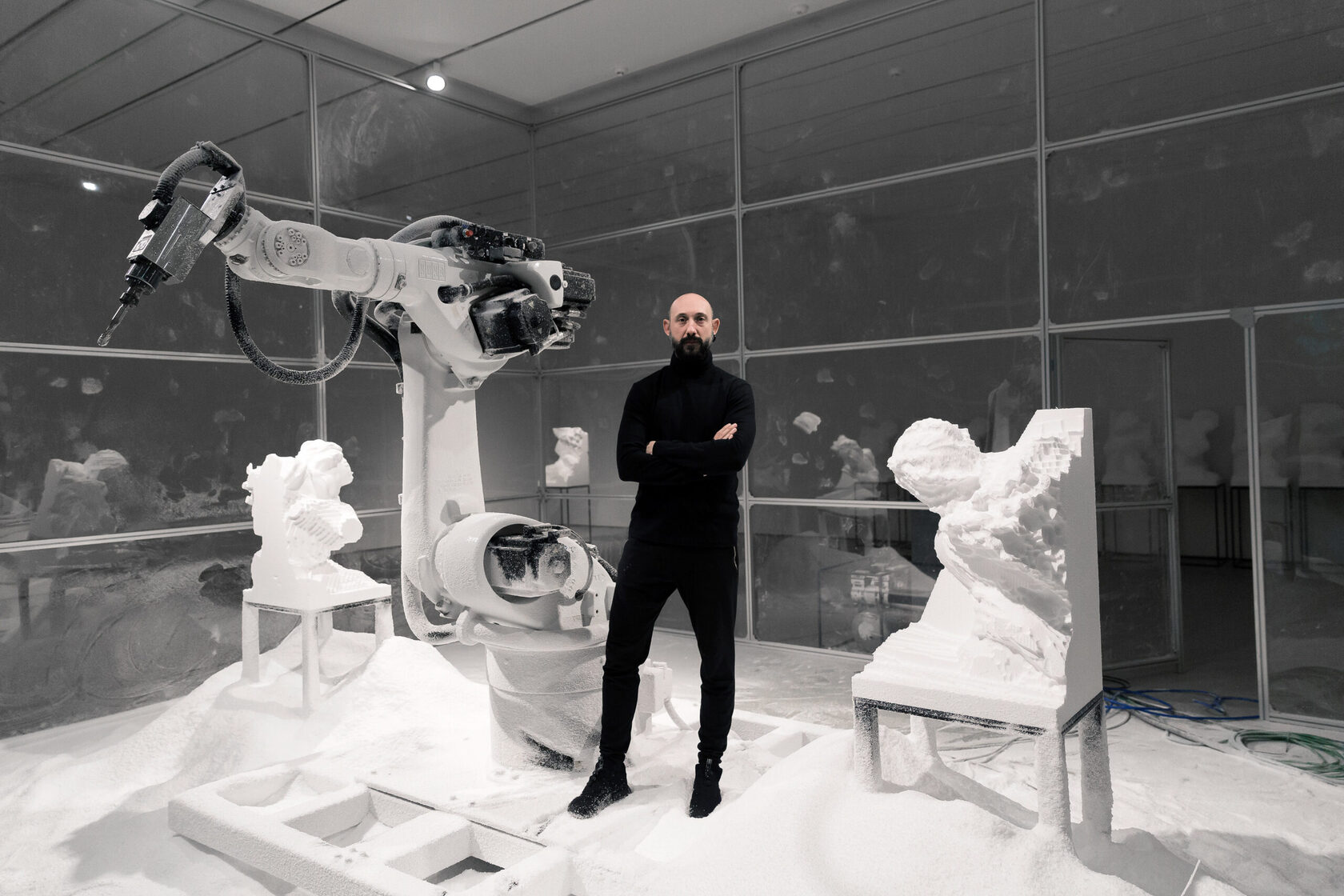
The exposition is further expanded through digital and time-based works by contemporary artists Felice Limosani, Obvious, Alberto Maria Colombo, Quayola, and Vittorio Bonapace, developed in dialogue with the archive and visual grammar of Dolce&Gabbana. These practices introduce an additional layer — digital and processual — in which technology is not positioned in opposition to craft, but enters into a complex system of mutual reflection, extending the notion of mastery toward hybrid forms of visual production.
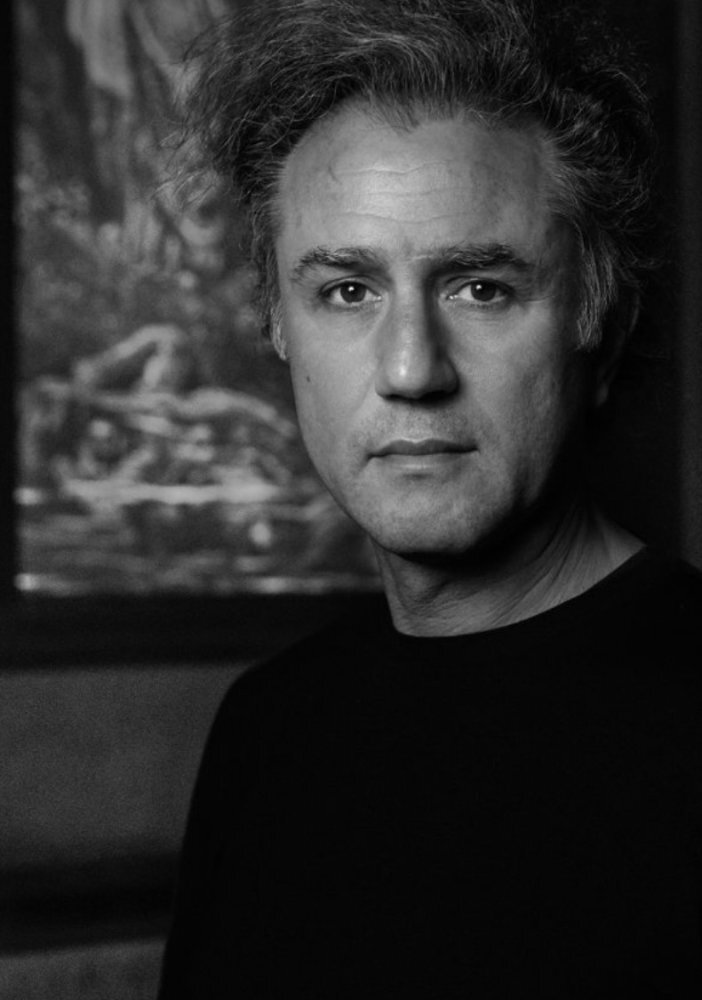
Felice Limosani, multidisciplinary artist and author of the Immersive Humanities paradigm, reactivates cultural heritage as an experience within museum, educational, and clinical contexts. He develops transferable models in dialogue with academic research and cultural institutions, as well as site-specific works for international commissions. His research interweaves contemporary art, emerging technologies, and the humanities to redefine the relationship between knowledge, experience, and the person.
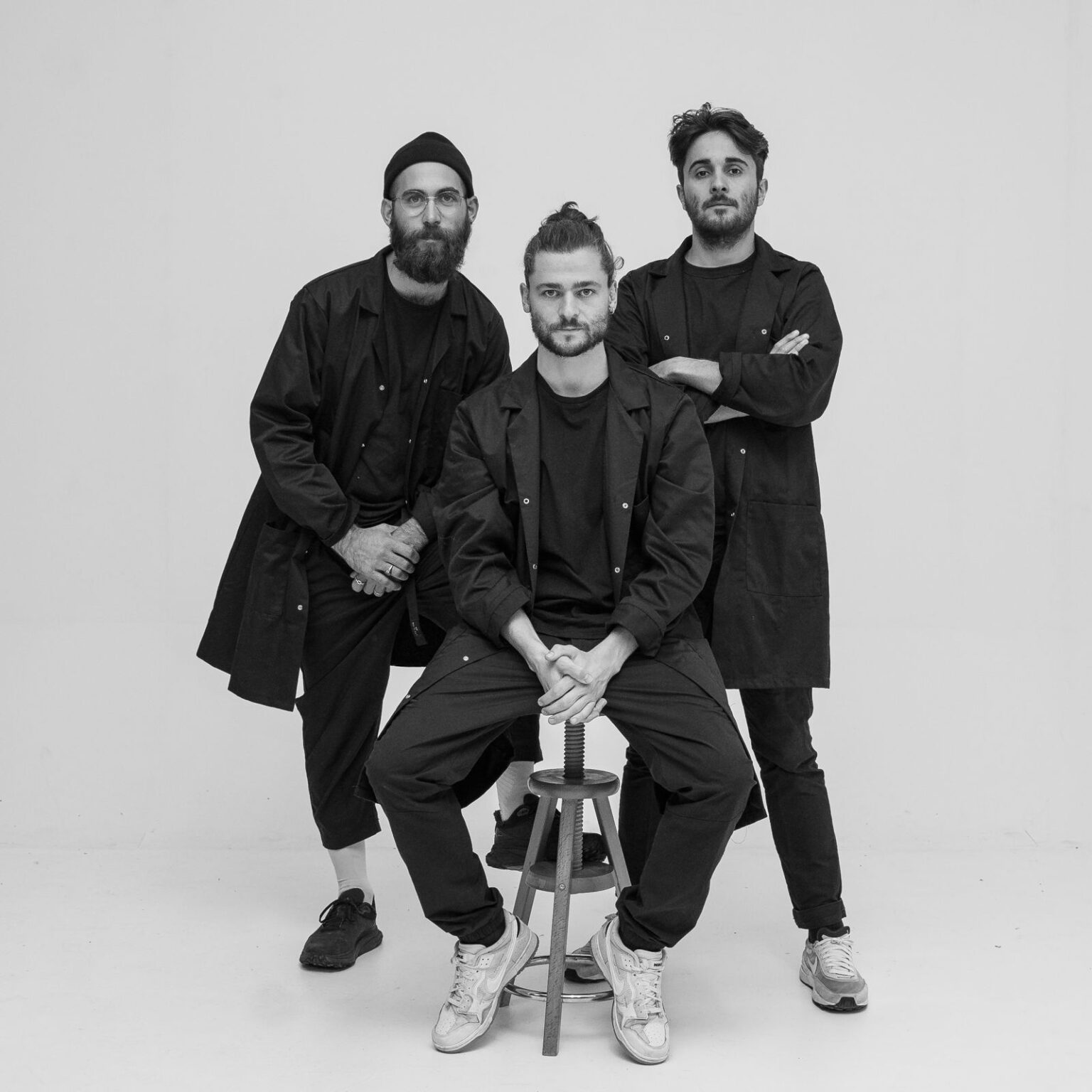
Obvious is a French trio of artists and researchers composed of Pierre Fautrel, Gauthier Vernier and Hugo Caselles-Dupré. We are working with artificial intelligence to create art. Inspired by the Renaissance workshops, we operate at the crossroads of academic research and art.
Alberto Maria Colombo is an Italian multimedia artist and creative director. After studying at the School of Visual Arts in New York and spending a decade developing his career in the United States, since 2019 he has been a pioneer in the artistic experimentation of artificial intelligence. His works, exhibited in galleries and museums across America, Europe, and Asia, aim to portray the human figure through an innovative lens, using evolving visual codes and technological language.
Quayola employs technology as a lens to explore the tensions and equilibriums between seemingly opposing forces: the real and artificial, figurative and abstract, old and new. Constructing immersive installations, he engages with and re-imagines canonical imagery through contemporary technology. Landscape painting, classical sculpture, and iconography are some of the historical aesthetics that serve as a point of departure for Quayola’s hybrid compositions.
Vittorio Bonapace is an Italian artist whose work bridges tradition and innovation, merging digital and physical media to explore the dialogue between classical masters and contemporary themes. Trained in Stage and Production Design at the Academy of Fine Arts in Rome and a former set designer at the Teatro dell’Opera, he developed a deep mastery of light and spatial composition, both central to his practice.

Installation View: Architectural and Pictorial | From the Heart to the Hands: Dolce&Gabbana – ICA Miami, 2026

Image Courtesy: Dolce&Gabbana / Greg Kessler

Florence Müller
Art & Fashion Curator
Florence Müller is an internationally recognized curator, fashion historian, professor, and author. Throughout her career, she has served as director and curator of UFAC (Union Française des Arts du Costume) at the Musée des Arts Décoratifs in Paris, as well as curator of textile art and fashion at the Denver Art Museum. She was affiliated with the Institut Français de la Mode (IFM) for twenty-five years. The author of more than forty books, she has been awarded the Grand Prix du Livre de Mode by the University of Lyon on three occasions.

Over the course of her career, Müller has participated in more than 150 international exhibition projects in which fashion is examined as an integral part of cultural and artistic heritage, embedded within historical, artisanal, and production systems. Among her landmark projects are the major retrospective Christian Dior: Designer of Dreams (Musée des Arts Décoratifs, Brooklyn Museum, and international venues), the comprehensive survey Yves Saint Laurent: The Retrospective, and Shock Wave: Japanese Fashion Design at the Denver Art Museum, which explored the radical transformations of Japanese fashion and its influence on global fashion discourse. These projects have established Müller’s reputation as a curator who approaches haute couture as an archive of cultural citations, historical strata, and visual transformations.

Within Müller’s methodological framework, fashion is analyzed not as an accumulation of aesthetic decisions, but as a system of cultural coding — in which each object is interpreted through the genealogy of its imagery, its transformations, and its migrations across historical periods and cultural contexts. In this logic, the exhibition ceases to function as a representational retrospective and instead becomes an analytical structure that frames fashion as a form of cultural and historical knowledge.
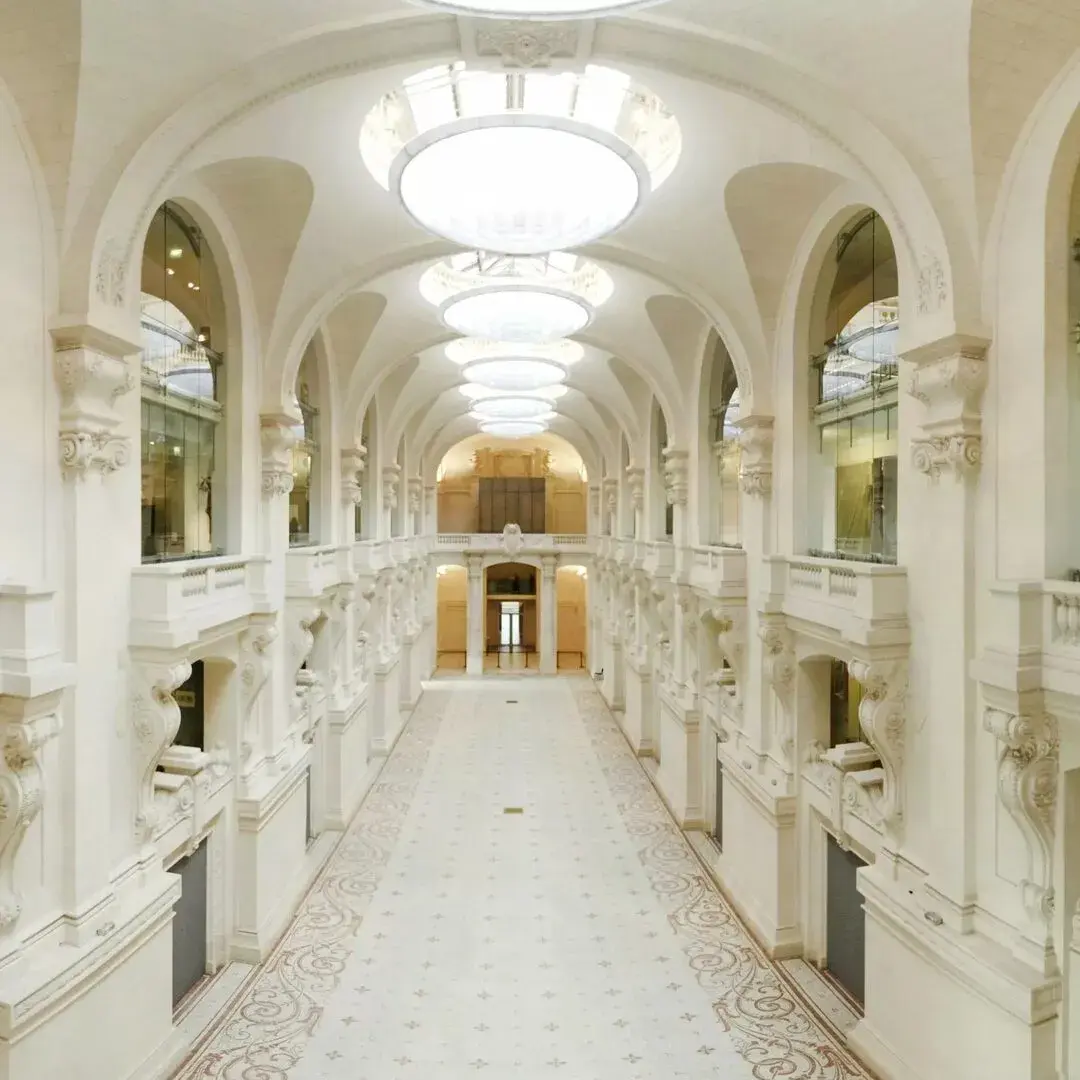
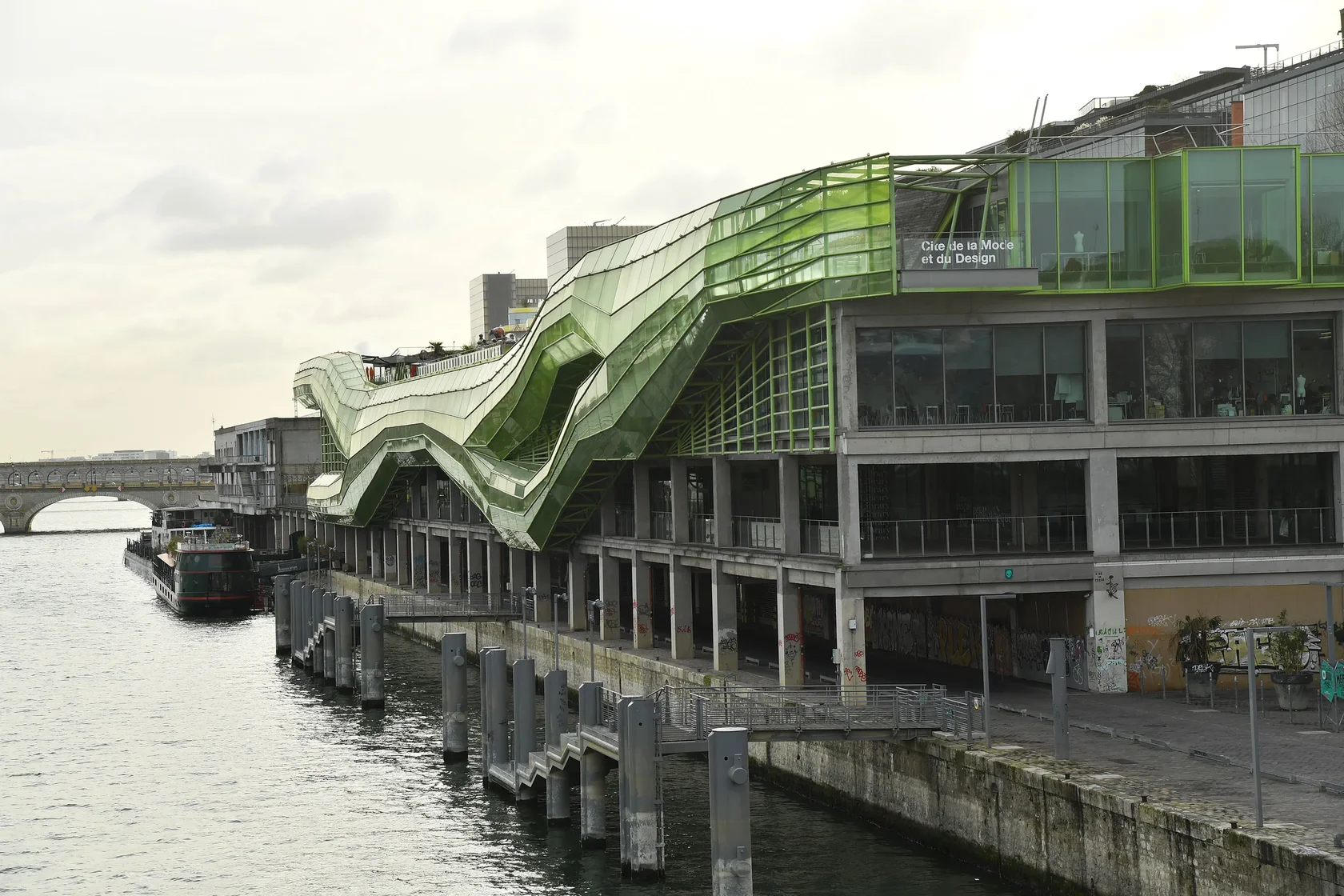
The Musée des Arts Décoratifs (MAD Paris) is a renowned museum located in the Pavillon de Marsan wing of the Louvre Palace. Dedicated to the applied arts and everyday design, it holds one of the world's largest collections of decorative art, spanning from the Middle Ages to the present day.
The Denver Art Museum (DAM) is one of the largest encyclopedic art museums between the West Coast and Chicago. Located in Denver's Civic Center, it holds over 70,000 diverse works spanning 3,500 years of human history. It is globally recognized for its extensive American Indian art collection, modern and contemporary art, and interactive, family-friendly programming.
The Institut Français de la Mode (IFM) is a premier, globally recognized fashion, design, and luxury management school based in Paris. It offers a wide array of degree and certificate programs, many of which are taught entirely in English.
The Grand Prix du Livre de Mode is a prestigious literary award that celebrates exceptional publications dedicated to the fashion industry. The prize highlights various facets of fashion, including its history, sociology, marketing, and artistic creation, recognizing authors who shape the public's understanding of style
The University of Lyon (Université de Lyon) is the largest French academic consortium outside of Paris, hosting over 120,000 students across the cities of Lyon and Saint-Étienne. It operates as a collaborative network rather than a single campus, uniting 12 core institutions and dozens of associated schools.

The Curator's Perspective

Florence Müller | From the Heart to the Hands: Dolce&Gabbana – ICA Miami, 2026

Image Courtesy: Dolce&Gabbana / Greg Kessler

This is truly a tribute to the meeting of ideas and craftsmanship, the creative passion that brings the designers' desires to life.
— Florence Müller, Exhibition Curator
Within the framework of From the Heart to the Hands: Dolce&Gabbana at the Institute of Contemporary Art, Miami, Florence Müller describes the project as a love letter to Italy,” framing it as a curatorial exploration of Italian culture, craftsmanship, and heritage.

The exhibition presents an approach to Alta Moda, Alta Sartoria, and Alta Gioielleria that highlights the extensive research developed within the ateliers, from the heart to the hands — from idea to realization through craft. It is conceived as a tribute to the encounter between ideas and craftsmanship, where creative intention is translated into material form.

The curatorial process, as Müller explains, begins with research into history and archives, as well as close engagement with the fashion house’s heritage and dialogue with the designers, to understand their intentions and creative language.

A key aspect of her experience was the close examination of garments, observing the complexity of tailoring, construction, and embellishment. This included attention to materials, fabrics, colours, and decorative techniques such as embroidery and applied craftsmanship.

The exhibition reflects Müller’s view that Dolce & Gabbana are deeply rooted in Italian culture and artistic tradition, and that their work engages directly with this cultural heritage. It also emphasizes that the past is not static, but can be reactivated through Alta Moda.

Florence Müller is an internationally recognized curator, fashion historian, professor, and author.
Room Tour
FILLIN MAGAZINE

Installation View: Rome, Eternal Beauty | From the Heart to the Hands: Dolce&Gabbana – ICA Miami, 2026

Image Courtesy: Fillin Magazine

Video Installation: Video Mosaic

The video installation From the Heart to the Hands: A Video Mosaic functions as the opening gesture of the exhibition, establishing an immediate entry into the universe of Dolce&Gabbana Alta Moda, Alta Sartoria, and Alta Gioielleria. Structured as a continuous mosaic of moving imagery, it interweaves archival runway footage with a fluid, evolving visual stream — suggesting an uninterrupted process of creative reflection in which tradition and contemporaneity are held in a single visual continuum.

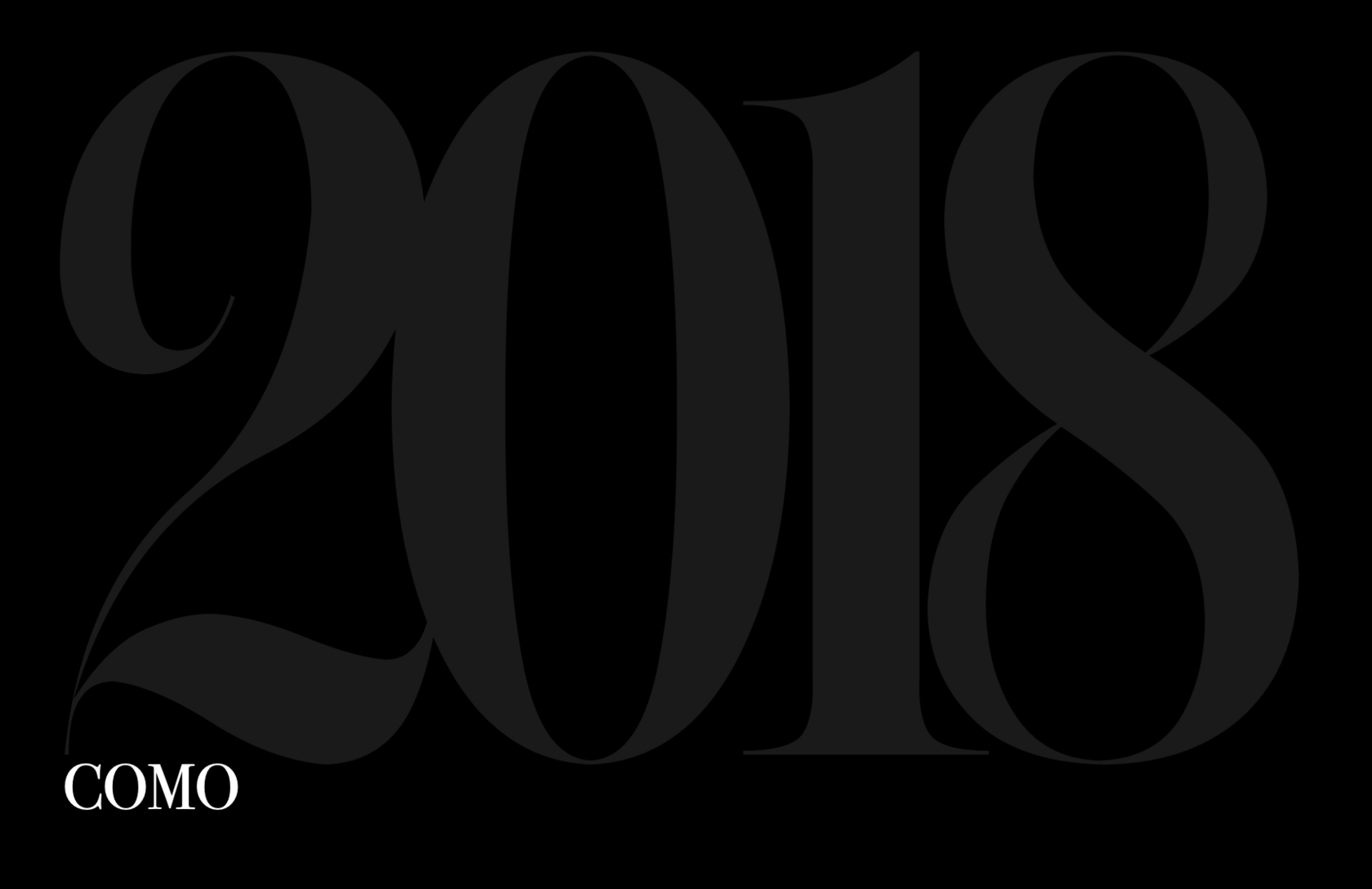
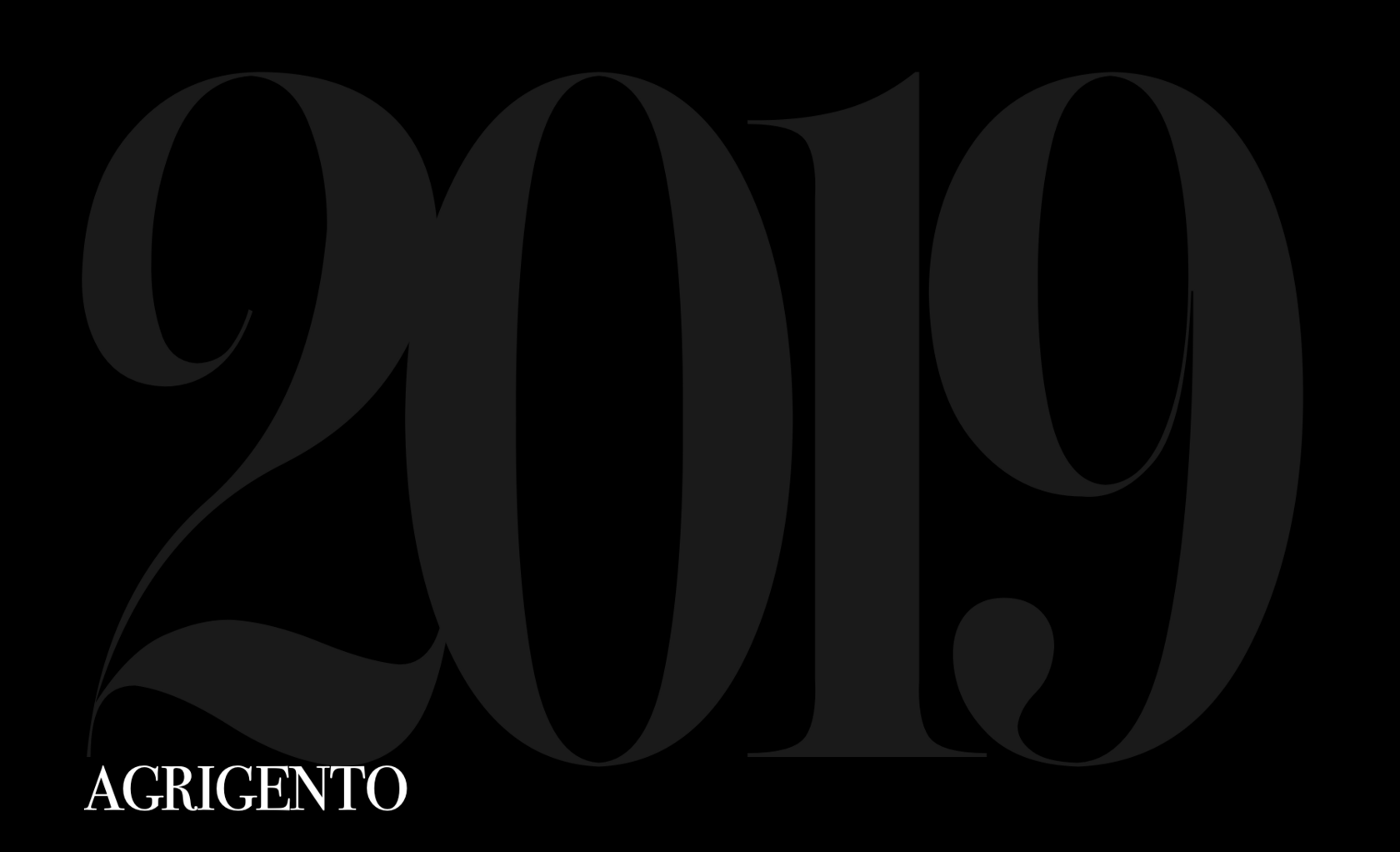
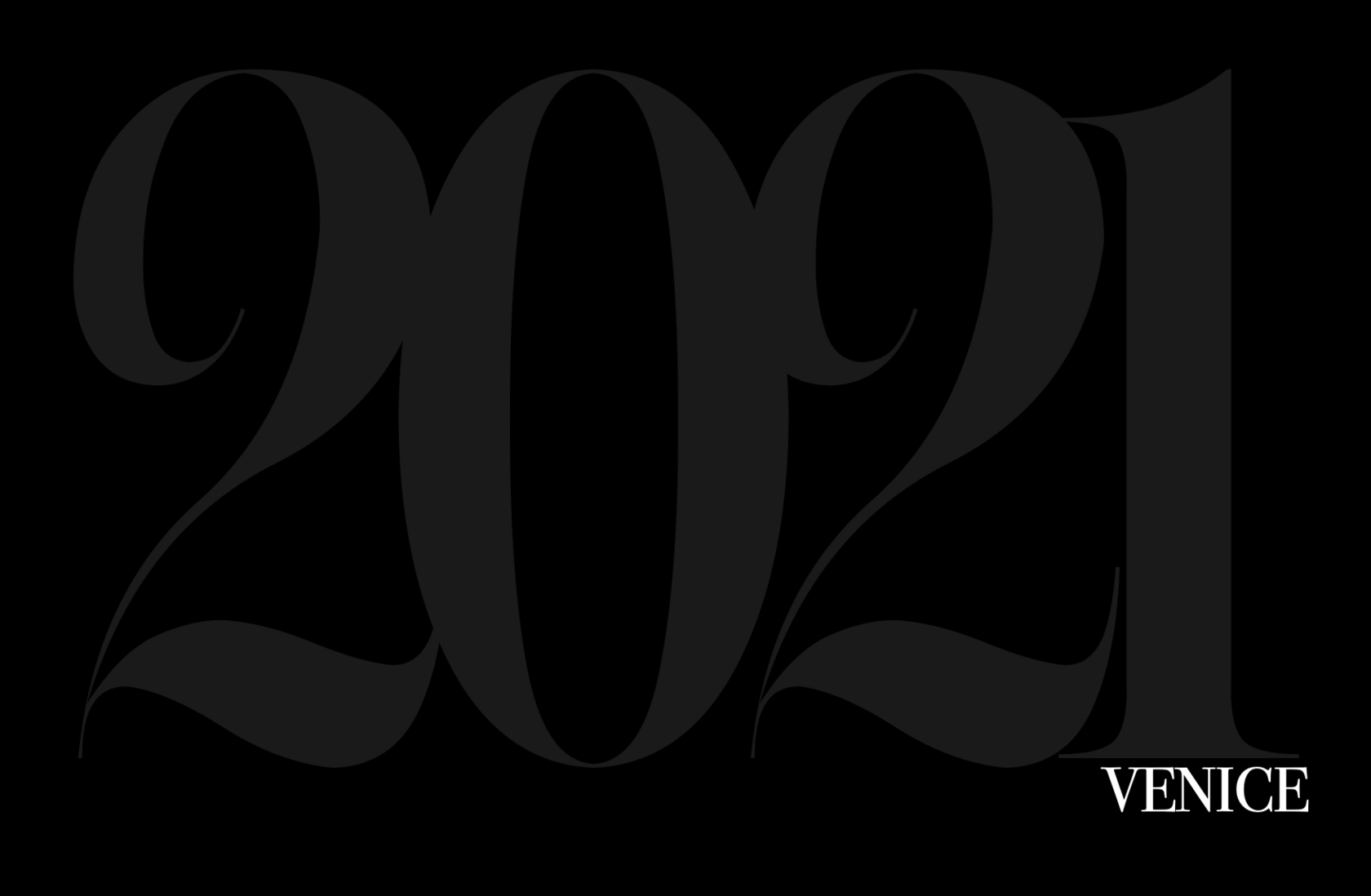
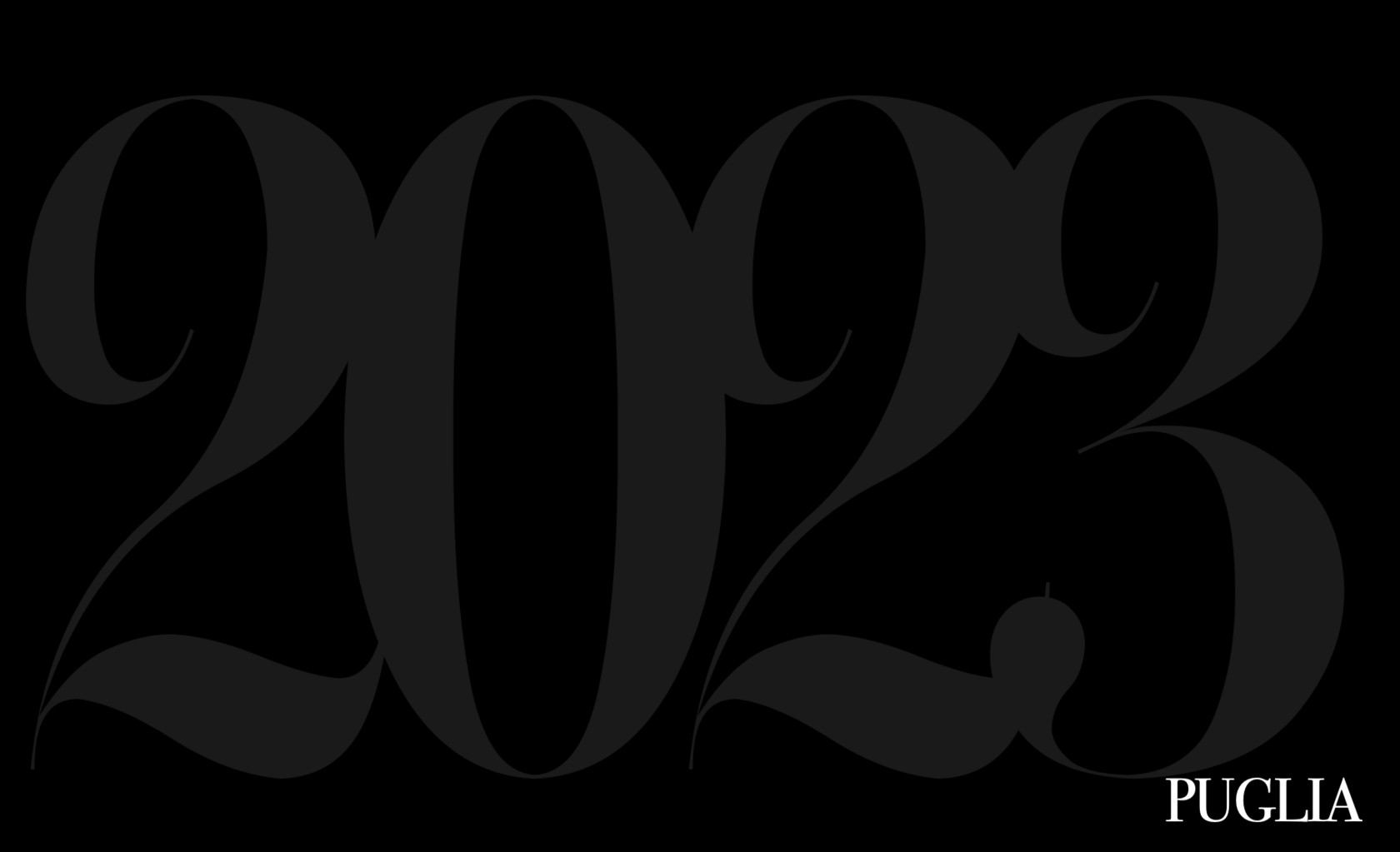
The installation extends the conceptual framework of the Grand Tour — the sustained journey of Domenico Dolce and Stefano Gabbana across Italy, which has informed their presentation strategy since 2012. Within this structure, each city operates not as a geographic marker but as a generator of cultural and aesthetic codes: Taormina (2012), where the project originated, followed by Venice (2013), Capri (2014), Portofino (2015), Naples (2016), Palermo (2017), Monreale (2017), Como (2018), Agrigento and Sciacca (2019), Florence (2020), Venice (2021), Syracuse (2022), Marzamemi (2022), Alberobello and Ostuni (2023), Sardinia (2024), and Rome (2025), with Milan functioning as a continuous parallel axis throughout the entire timeline (2012–2024).

Taken together, the sequence establishes an immersive entry point into the intellectual and aesthetic logic of the house, where each presentation becomes part of a cumulative visual archive — one in which Italian cultural heritage, spanning architecture, craft, light, landscape, and theatricality, is systematically translated into the language of haute couture.
Dolce&Gabbana’s inaugural Alta Moda debut took place on 9 July 2012 in Taormina, Sicily, marking the house’s first-ever haute couture presentation and the formal launch of its independent couture system outside the Paris calendar. Conceived as a site-specific, immersive runway experience, it introduced a new Italian-centered couture language grounded in heritage, craft, and theatricality. The show featured approximately 70 couture looks, establishing the foundation for the later “Grand Tour” series of location-based presentations across Italy.
The 2013 Venice presentation marked the third Alta Moda collection, staged at Palazzo Barbaro on the Grand Canal, and inspired by the visual language of Byzantine and Venetian mosaics, followed by an exclusive masked ball in a historic Venetian palace.
Dolce & Gabbana presented their Alta Moda Fall 2014 collection on July 11, 2014, on the island of Capri, staged at the Fontelina beach club against the dramatic backdrop of the Faraglioni cliffs. The presentation was conceived as an immersive destination couture event, with guests arriving by boat and the show unfolding in an open-air seaside setting as part of the brand’s Alta Moda Grand Tour system. The collection comprised approximately 78 handcrafted haute couture looks, later followed by a private evening program including dinner and client presentations.
Dolce & Gabbana presented their Alta Moda Fall 2015 collection on July 10–11, 2015, in Portofino, Italy, staging a multi-day couture event across private villas and garden settings overlooking the Ligurian coastline. The presentation unfolded as an immersive “at-home” Alta Moda experience, incorporating womenswear and menswear showcases alongside Alta Gioielleria presentations within the designers’ own properties in Portofino. The collection featured approximately 90 handcrafted haute couture looks, conceived as part of the brand’s ongoing Alta Moda Grand Tour across Italy.
Dolce & Gabbana presented their Alta Moda women’s couture show in Naples on 9 July 2016, as part of a multi-day Alta Moda, Alta Sartoria, and Alta Gioielleria takeover of the city. The presentation took place in the historic center around Via San Gregorio Armeno / Quartieri Spagnoli, with Naples functioning as an immersive stage dedicated to Neapolitan cultural heritage and the figure of Sophia Loren as muse and guest of honor. The collection comprised approximately 30 handcrafted couture looks, referencing Neapolitan baroque aesthetics, religious iconography, and Italian cinematic tradition.
Dolce&Gabbana presented their Alta Moda collection in Palermo, Sicily, on July 7, 2017, as part of a four-day celebration of Italian craftsmanship and cultural heritage. The women’s haute couture show took place in Piazza Pretoria and featured 126 looks inspired by Sicily’s history, architecture, folklore, and artisanal traditions. The event formed part of the house’s ongoing Grand Tour of Italy, transforming regional identity into the language of contemporary haute couture.
Dolce&Gabbana presented their Alta Moda collection in Como, Italy, in July 2018, continuing the house’s Grand Tour of Italian cultural destinations. The women’s haute couture show took place at Parco Teresio Olivelli on Lake Como and was inspired by the romantic atmosphere of the region, including references to Alessandro Manzoni’s literary heritage and the imagery of I Promessi Sposi (“The Betrothed”). The collection transformed the landscape, history, and visual traditions of Lake Como into a theatrical expression of Italian craftsmanship and haute couture.
In July 2019, Dolce&Gabbana presented its Alta Moda and Alta Sartoria collections in Sicily, creating a unified celebration of feminine and masculine couture rooted in the island’s cultural heritage. The multi-day “Made in Sicily” program unfolded across Agrigento, Palma di Montechiaro, and Sciacca, with the women’s Alta Moda show staged at the Valley of the Temples, a UNESCO World Heritage site, and the men’s Alta Sartoria presentation exploring Sicilian folklore, Mediterranean mythology, Baroque ornament, and classical imagery through a theatrical homage to the island’s history and traditions.
Dolce & Gabbana presented their Alta Moda 2020 project in Florence in September 2020, staging a live multi-day couture event across historic Florentine locations, including Villa Bardini and Santa Maria Novella, in adaptation to COVID-19 restrictions. The presentation combined womenswear Alta Moda and menswear Alta Sartoria collections, highlighting collaborations with Florentine artisanal workshops and emphasizing Renaissance craft traditions reinterpreted through contemporary haute couture. The womenswear segment featured approximately 89 looks inspired by Renaissance aesthetics and Italian historical costume, reinforcing the house’s ongoing dialogue between heritage, craftsmanship, and modern couture practice.
Dolce & Gabbana presented their Alta Moda 2021 event in Venice from 28 to 30 August 2021, returning to a full-scale live, in-person couture experience after pandemic disruptions. The main womenswear Alta Moda show took place on 29 August 2021 in St Mark’s Square, featuring a large-scale runway staged in Piazza San Marco with models arriving by gondola in a scenographic presentation. The programme was part of a broader three-day series in Venice that also included Alta Sartoria and Alta Gioielleria presentations across locations such as the Arsenale.
Dolce & Gabbana presented their Alta Moda 2022 program in Siracusa, Sicily, from 8 to 11 July 2022, marking the 10th anniversary of Alta Moda, with events distributed across multiple historic sites of the city. The central womenswear Alta Moda runway show took place on 9 July 2022 in Piazza del Duomo in Ortigia, transforming the cathedral square into a large-scale open-air couture stage featuring approximately 106 looks. The multi-day program also included additional Alta Moda, Alta Sartoria, and Alta Gioielleria presentations across locations such as the Neapolis Archaeological Park and Grotta dei Cordari, reinforcing the brand’s narrative of Sicilian cultural heritage and theatrical craftsmanship.
Dolce & Gabbana presented their Alta Moda 2023 program in Puglia from 7 to 11 July 2023, unfolding across multiple locations including Alberobello and Ostuni in the Valle d’Itria region. The womenswear Alta Moda and related Alta Sartoria and Alta Gioielleria presentations were staged as part of a multi-location Grand Tour chapter, with runway events integrated into historic urban and architectural settings such as trulli districts and baroque town squares. The collection was conceived as a tribute to Apulian cultural heritage, emphasizing local craft traditions, Mediterranean landscape aesthetics, and the architectural identity of southern Italy as a living cultural archive.
Dolce & Gabbana presented their Alta Moda 2024 program in Sardinia from 2 to 4 July 2024, unfolding as a multi-day couture event across key locations including the Archaeological Park of Nora and Forte Village Resort. The womenswear Alta Moda show took place on 2 July 2024 at the Nora Archaeological Park, featuring approximately 90 haute couture looks and incorporating scenographic installations such as “Nora Mirage” by Phillip K. Smith III. The program continued with Alta Sartoria in Forte Arena on 3 July 2024, and concluded as part of a broader celebration of Sardinian heritage, craftsmanship, and Mediterranean cultural identity within the house’s ongoing Grand Tour framework.

Installation View A Video Mosaic | From the Heart to the Hands: Dolce&Gabbana – ICA Miami, 2026

Image Courtesy: Dolce&Gabbana

Jewelry / Alta Gioielleria

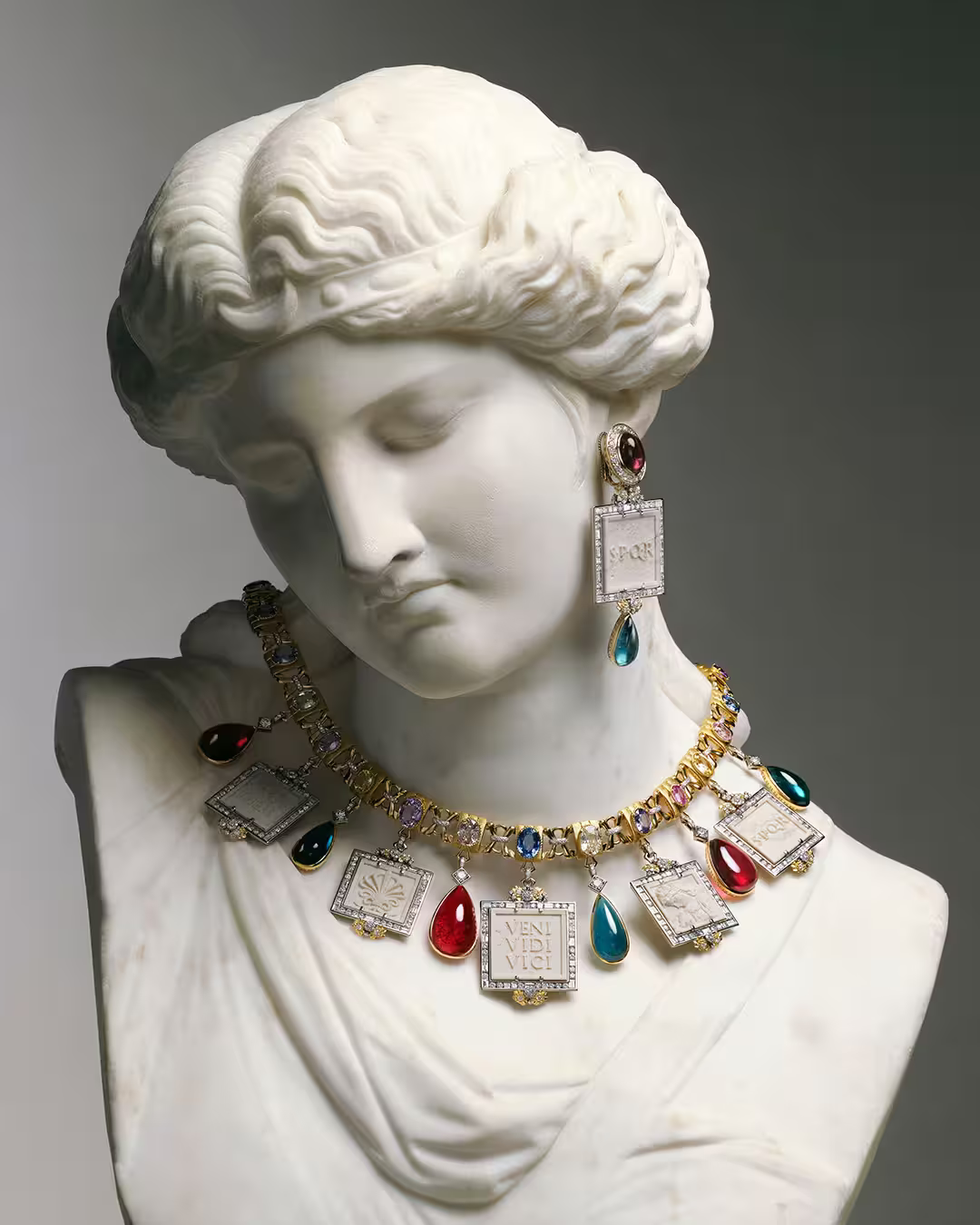
The entrance gallery immediately immerses the viewer in the universe of Alta GioielleriaDolce&Gabbana’s highest jewelry line. As critic Carol Woolton notes, these creations function as a contemporary Renaissance Wunderkammer, where fragments of Italian artistic and sculptural heritage converge: gold figurines, Renaissance cameos, lace-like pizzomotifs, and other historical references.

Each intricate piece is completed by up to fifteen master artisans. Rather than privileging the monetary value of gemstones, the designers select stones for their expressive qualities — color, form, and visual intensity.

The vitrines are arranged as a miniature encyclopedia of Italian culture: emerald and tourmaline butterflies, floral compositions in which a single petal may require a week of handcraft, and objects conceived as modern Wunderkammern — cabinets of curiosities that evoke Renaissance studioli and the historical tradition of collecting.

In Woolton’s formulation, each Dolce&Gabbana jewel establishes a tangible continuity between past and future, transforming the object into a vessel of cultural memory and historical transmission.
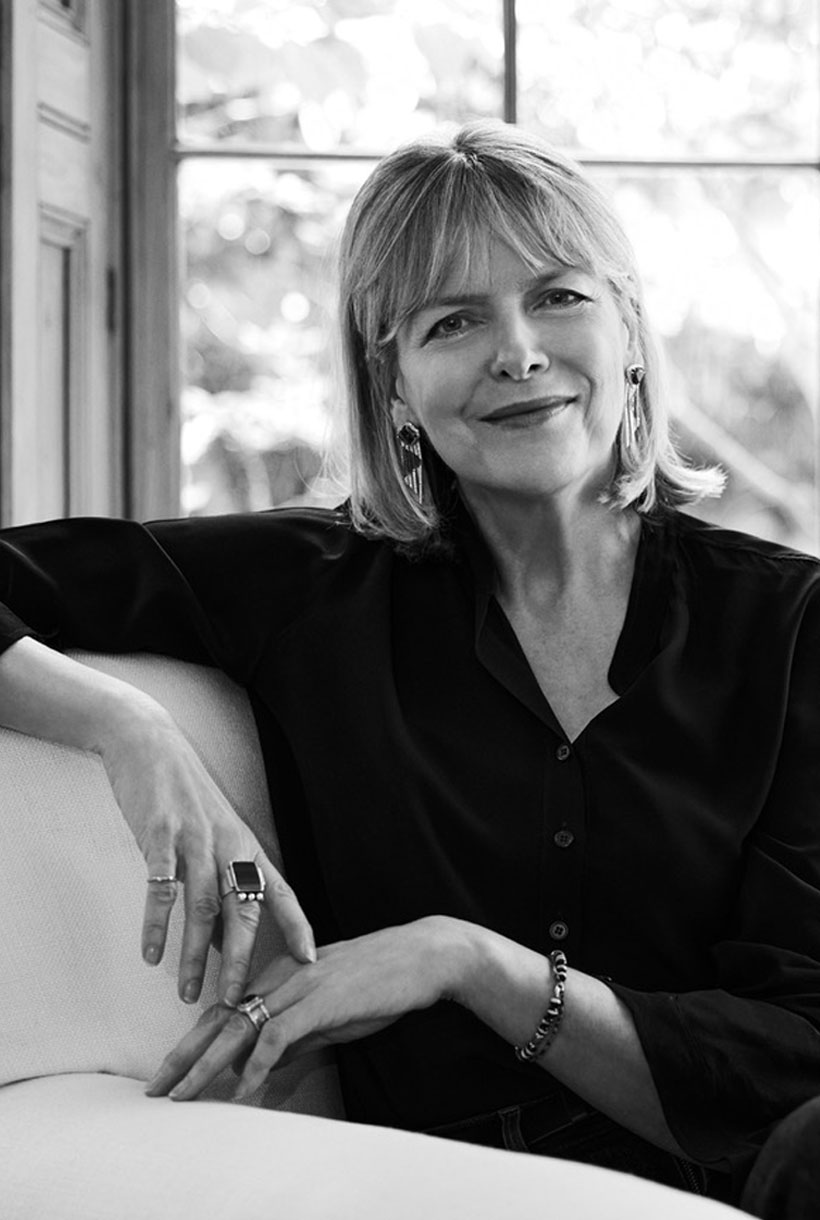
Carol Woolton is Britain's leading authority and historian on jewelry and gemstones, serving as the Contributing Jewellery Director for British Vogue. With over two decades of editorial experience, she is the host of the popular podcast If Jewels Could Talk and has written five books on the subject

Installation View: Alta Gioielleria | From the Heart to the Hands: Dolce&Gabbana – ICA Miami, 2026

Image Courtesy: Fillin Magazine

Fatto a Mano / Handmade

The Fatto a Mano (“made by hand”) room constitutes the conceptual nucleus of the exhibition. For Domenico Dolce and Stefano Gabbana, it is not merely a method of production, but a total philosophy — rooted in unwavering trust in Italian artisans whose hands translate concept into material form, elevating craftsmanship into artistic language.

The opening gallery unfolds as a visual reconstruction of the designers’ personal Grand Tour of Italy. Each region is reinterpreted through the vocabulary of Alta Moda: luminous embroidery echoes the chromatic richness of Capri’s majolica; the architectural geometry of Apulian trulli is transfigured into intricate textile construction; layered silks and gemstone-studded embroideries evoke the radiant intensity of Venice.

The spirit of La Dolce Vita emerges in the fluid silhouettes of scarves and tailored shorts, while parrot feathers recall the saturated light of summers in Portofino. Finely executed appliqué and lacework reference the confection-like aesthetics of Palermo’s Sicilian cassata. Florentine palazzi, Neapolitan processions, Sardinian folk traditions, and the mythologies of Marzamemi converge into a unified visual grammar of haute couture.

A central place is reserved for Alta Moda bridal gowns, including iconic creations designed for Lady Kitty Spencer. These multilayered constructions in lace and hand-painted silk — executed entirely by master artisans with exceptional precision — crystallize the fatto a mano ethos and articulate an idealized vision of Italian romantic couture.

A parallel curatorial layer is formed by the self-portrait series of French-Vietnamese artist Anh Duong (2012–2024). These works operate as a personal visual diary of her engagement with Dolce&Gabbana: the artist depicts herself in Alta Moda and Alta Gioielleria pieces, transforming lived experience into an inquiry into the constructed imagery of the Italian cultural imagination.
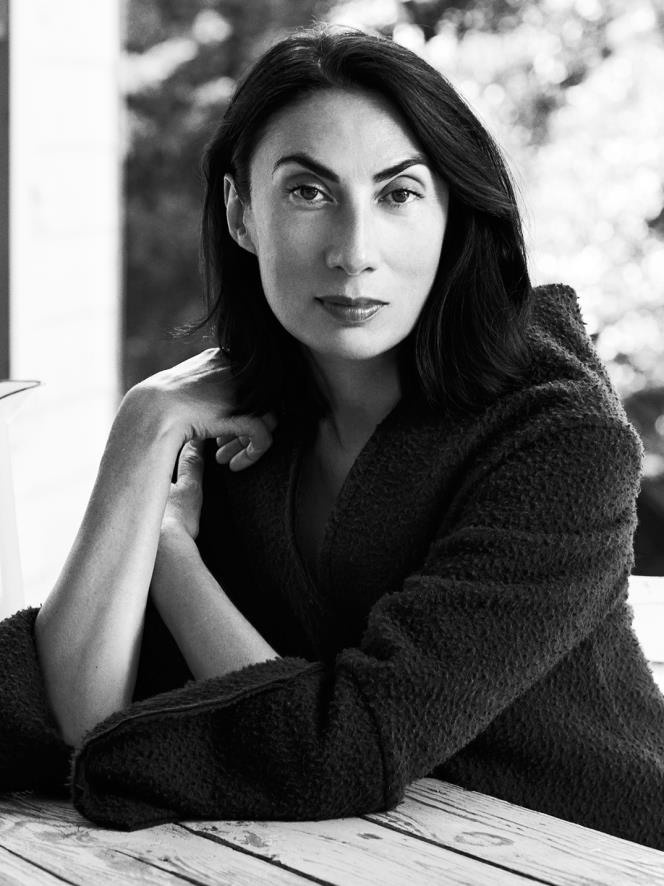
Anh Duong is a French-American artist, actress, and model, best known for her large-scale self-portraits that serve as a daily visual diary. Born in France to a Vietnamese father and Spanish mother, her expressive, stylized paintings often explore femininity, identity, and cultural hybridity.

Installation View: Fatto a Mano / Handmade | From the Heart to the Hands: Dolce&Gabbana – ICA Miami, 2026

Image Courtesy: Fillin Magazine

Architectural & Pictorial

Dolce&Gabbana assign equal weight to the constructive logic and the decorative dimension of the garment — a direct reflection of the role of architecture and painting in the Italian artistic tradition.

The key references for this room are the architecture of the Galleria of Palazzo Farnese in Rome and the celebrated fresco cycle painted by Annibale Carracci (1560–1609) on its ceiling. A video installation recreates this space, emphasizing the designers’ sustained engagement with the masters of Italian painting — from Botticelli, Leonardo da Vinci, and Raphael to Titian, Piero della Francesca, Giorgione, Salaì, Caravaggio, and Moroni.

The process of garment-making is interpreted here as an architectural practice: from the initial sketch establishing line and volume, to structural planning and the “façades” of form. Within Alta Moda, a sketch is first translated into a three-dimensional cotton toile, then unfolded into a flat pattern, followed by cutting, assembly, and finishing. This sequence — from abstraction to precise material construction — defines the architecture of the haute couture silhouette.
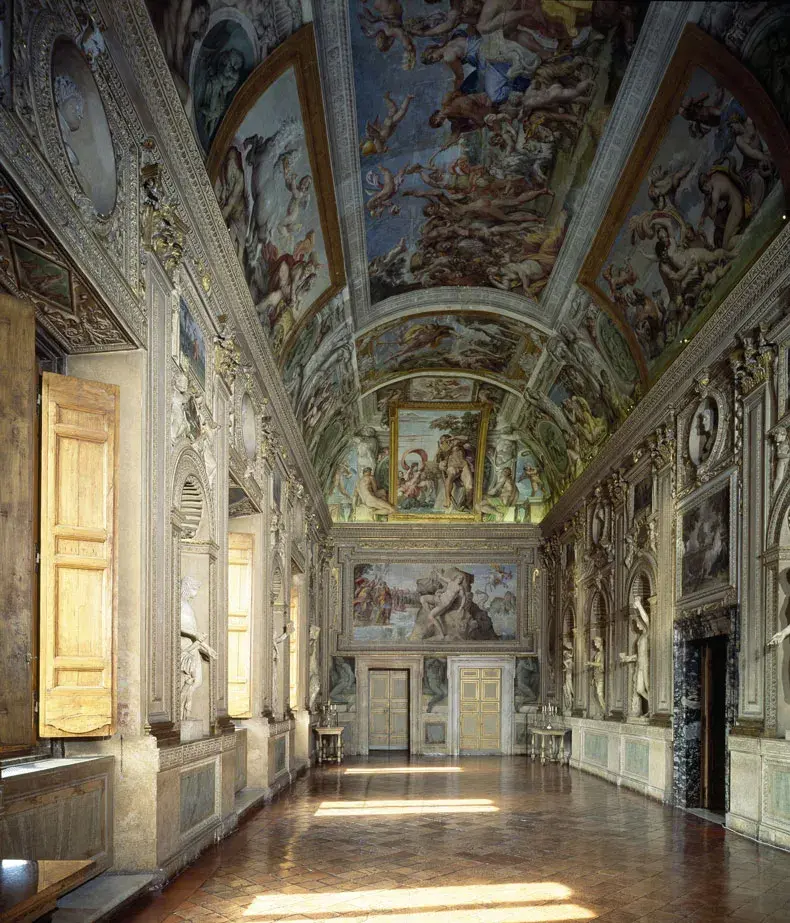
The Galleria in the Galleria of Palazzo Farnese, Rome, houses Annibale Carracci’s monumental fresco cycle, The Loves of the Gods. Painted between 1597 and 1608, it is widely celebrated as his masterpiece and a foundational work bridging High Renaissance art with early Baroque.

Installation View: Architectural & Pictorial | From the Heart to the Hands: Dolce&Gabbana – ICA Miami, 2026

Image Courtesy: Fillin Magazine

Dream of Divinity

The “Dream of Divinity” collections unfold against the architectural reconstruction of the Temple of Concordia in Agrigento, one of the most remarkably preserved examples of the Doric order, built in the 5th century BC and often compared in significance to the Parthenon in Athens.

The site became a defining reference for the Alta Moda Fall/Winter 2019–20 collection, where motifs drawn from Greek mythology and Attic vase painting were reinterpreted into couture silhouettes that extend into a distinctly sculptural register.

Here, Dolce&Gabbana articulate a recurring theme in their Alta Moda universe: the persistence of the divine within human form. Queens, goddesses, and mythological figures are not treated as historical citations, but as living archetypes, lending the garments a heightened symbolic intensity and transforming dress into a carrier of mythological imagination.
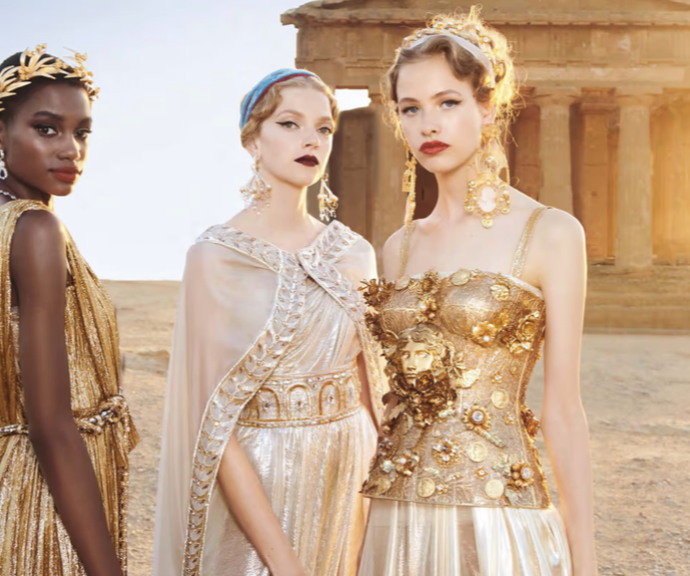
The Dolce & Gabbana Alta Moda Fall/Winter 2019–20 collection was a breathtaking tribute to ancient Greek and Roman mythology. Staged at the Temple of Concordia in the Valley of the Temples in Sicily, it featured one-of-a-kind garments designed to evoke divine goddesses, mythological legends, and classical antiquity.

Installation View: Dream of Divinity | From the Heart to the Hands: Dolce&Gabbana – ICA Miami, 2026

Image Courtesy: Dolce&Gabbana / Greg Kessler

Divine Mosaics

Mosaic, understood as both a method of constructing form and a language of meaning, occupies a central place within the aesthetic universe of Dolce&Gabbana. This room brings together two significant chronological and conceptual chapters: the Alta Sartoria Fall/Winter 2017–18 collection, presented in front of the Cathedral of Monreale in Sicily — a 12th-century architectural masterpiece that unites Arab, Norman, and Byzantine influences — and the Alta Moda Fall/Winter 2021–22 collection, presented in Venice as a tribute to the Byzantine mosaics of the Basilica of San Marco and its Cosmatesque floor, with its distinctive floral and spiral patterns.

The backdrop for the Dolce&Gabbana creations is a mosaic panel produced by Orsoni Venezia 1888 — one of the few workshops in the world to have preserved the Byzantine tradition of mosaic-making and the only one capable of recreating the legendary “Gold of San Marco.” The company also contributes to the ongoing restoration of the Basilica of San Marco in Venice.

Installation View: Divine Mosaics | From the Heart to the Hands: Dolce&Gabbana – ICA Miami, 2026

Image Courtesy: Dolce&Gabbana / Greg Kessler

The Leopard

The Leopard (Il Gattopardo, 1963) — Luchino Visconti’s iconic film adaptation of Giuseppe Tomasi di Lampedusa’s novel — remains, for Dolce&Gabbana, a true manifesto of beauty, elegance, and the inevitable decline of a vanishing world. Set in Sicily in the aftermath of Garibaldi’s arrival, the film chronicles the transformation of the aristocracy through the figure of Don Fabrizio, Prince of Salina.

The film’s legendary ballroom scene, filmed in the authentic interiors of Palazzo Gangi in Palermo, is reinterpreted here through a contemporary lens. Fragments of the film appear in the room’s one-way mirrors — Alain Delon as Tancredi and Burt Lancaster as Prince Salina, dancing with Claudia Cardinale as Angelica. An Alta Moda gown featuring leopard motifs from Palazzo Gangi enters into dialogue with the Alta Sartoria creations displayed around it.

Moving from room to room, one feels with growing intensity how meticulously the entire exposition has been constructed: through artifacts that unpack layers of Italian history, culture, and emotional memory, binding different themes and periods into a single continuous whole.
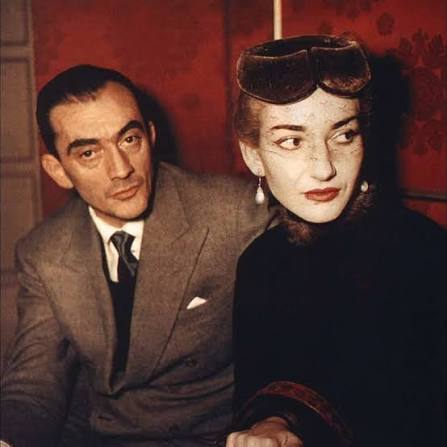
Luchino Visconti (1906–1976) was an influential Italian filmmaker, screenwriter, and theatre and opera director. A pioneer of cinematic neorealism, he uniquely blended his aristocratic upbringing with Marxist politics, creating visually stunning, emotionally sweeping epics that focused on history, human decadence, and the decline of the nobility.
The novel by Giuseppe Tomasi di Lampedusa is titled The Leopard (Italian: Il Gattopardo). Published posthumously in 1958, it is the best-selling novel in Italian history and a masterpiece of modern European literature.

Installation View: The Leopard | From the Heart to the Hands: Dolce&Gabbana – ICA Miami, 2026

Image Courtesy: Dolce&Gabbana / Greg Kessler

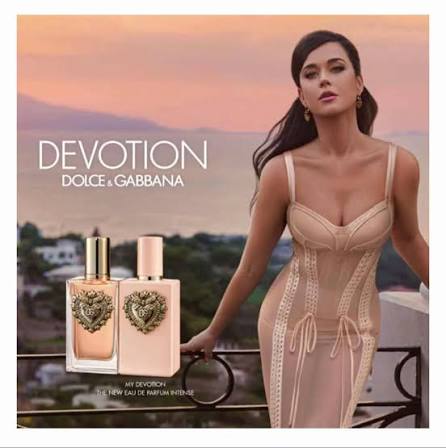
The image of the Sacré-Cœur — the Sacred Heart of Jesus — is one of the key iconographic leitmotifs of Dolce&Gabbana: embroidered on dresses, rendered in metal and beads on handbags, and featured on the Devotion fragrance bottles. In this room, the Sacred Heart is understood as a reminder that authentic creation is impossible without complete self-surrender.

Within a space conceived as an altar to perfection, figures in golden radiance against a black background enact the Baroque fusion of the sacred and the sensuous. The room’s costumes evoke the contrapposto figures of seventeenth and eighteenth-century wooden sculpture, while voluptuousness becomes the central aesthetic principle — a visual excess approaching the condition of mystical ecstasy.
Devotion

The image of the Sacré-Cœur — the Sacred Heart of Jesus — is one of the key iconographic leitmotifs of Dolce&Gabbana: embroidered on dresses, rendered in metal and beads on handbags, and featured on the Devotion fragrance bottles. In this room, the Sacred Heart is understood as a reminder that authentic creation is impossible without complete self-surrender.

Within a space conceived as an altar to perfection, figures in golden radiance against a black background enact the Baroque fusion of the sacred and the sensuous. The room’s costumes evoke the contrapposto figures of seventeenth and eighteenth-century wooden sculpture, while voluptuousness becomes the central aesthetic principle — a visual excess approaching the condition of mystical ecstasy.

Dolce & Gabbana Devotion is a radiant, gourmand fragrance launched in 2023. Inspired by the Italian dessert panettone, it features a sweet, alluring blend of candied lemon, orange blossom, and warm vanilla. It is instantly recognizable by its bottle, which is adorned with the brand's iconic Sacred Heart emblem.

Left ← Installation View: Devotion | From the Heart to the Hands: Dolce&Gabbana – ICA Miami, 2026

Image Courtesy: Dolce&Gabbana / Greg Kessler

Right → Oleg Tarnopolskiy & Installation View: Devotion | From the Heart to the Hands: Dolce&Gabbana – ICA Miami, 2026

Image Courtesy: Fillin Magazine

Sicilian Traditions

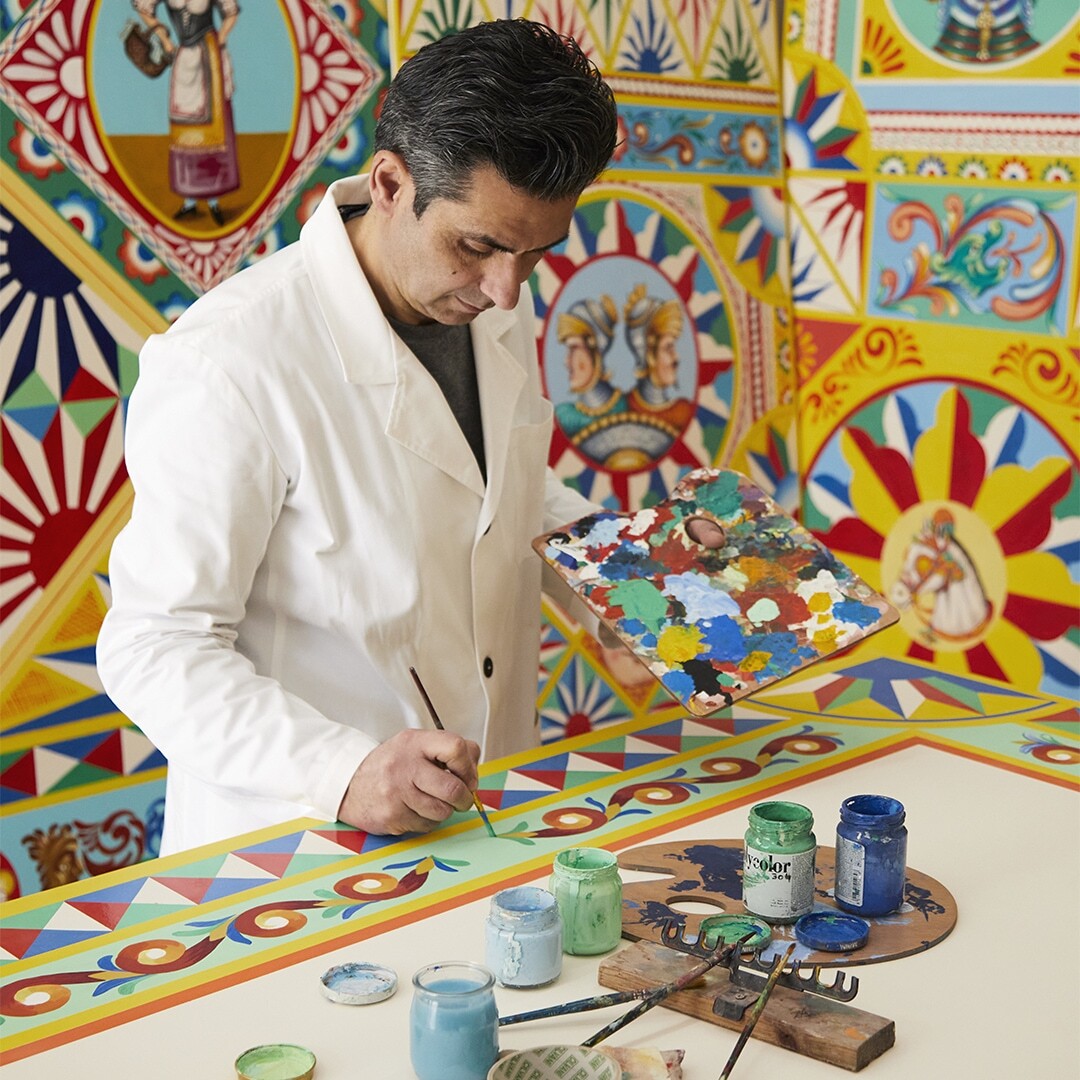
Dolce&Gabbana are designers deeply rooted in Sicily, the land of their ancestors, where tradition continues to operate as a living cultural system. The influence of Sicilian ceramics and painted carts—introduced on a grand scale in the Alta Moda and Alta Gioielleria collections presented in Palermo in 2017—is particularly pronounced in this room.

Sicily’s ceramic tradition dates back to the Mycenaean era, while its principal centers—Caltagirone, Monreale, and Santo Stefano di Camastra—continue to transmit their richly expressive ornamental vocabularies into the language of Alta Moda. The Sicilian cart, with origins in ancient Greek culture, acquired its present form in the nineteenth century. Evolving from a utilitarian vehicle into a symbol of ceremonial splendour—most notably in weddings and religious processions—it became an elaborately painted wooden structure adorned with heraldic and narrative scenes, including Charlemagne and Saint George slaying the dragon.

These visual codes are translated into crinoline silhouettes and corseted dresses, while tall feathered headdresses echo the decorative structures of horse harnesses.

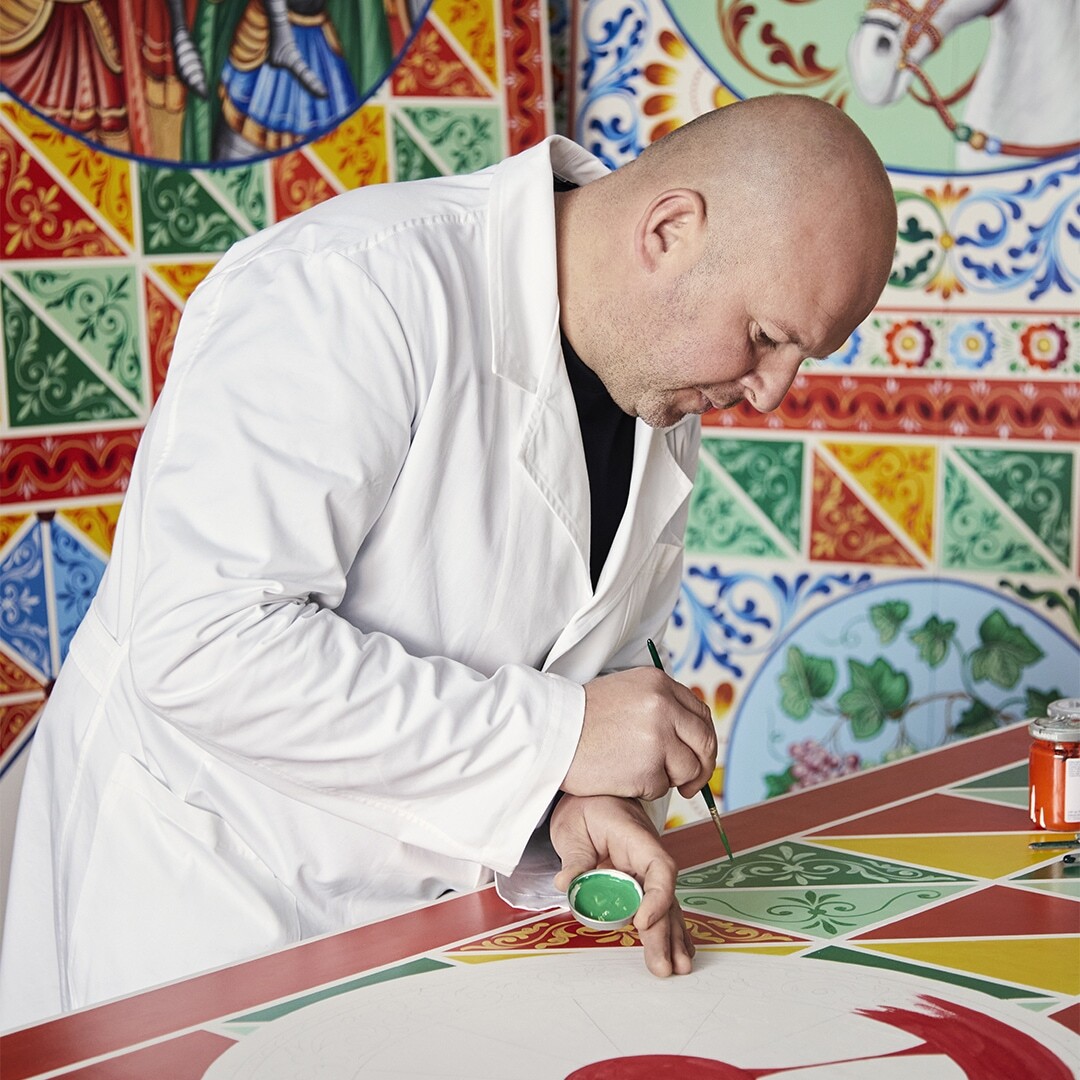
For this room, three Sicilian мастers—Ceramica Bevilacqua, cart painter Salvatore Sapienza, and artist Gianfranco Fiore—created a series of authentic objects: a ceremonial cart, painted wooden panels, and ceramic floor tiles.
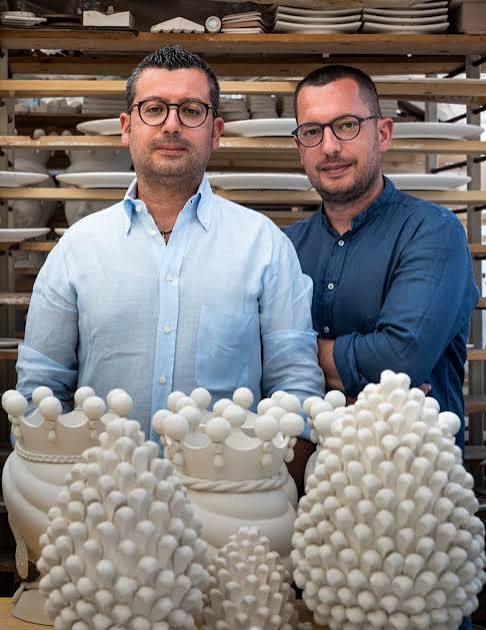
Ceramica Bevilacqua is a traditional Sicilian ceramics workshop founded in 1997 by brothers Antonio and Giuseppe Bevilacqua in Campofranco, Caltanissetta, Italy. Known for their artisanal craftsmanship, they hand-shape and paint iconic creations such as Moorish heads, pinecones, and vibrant home decor.
Salvatore Sapienza embarked on his artistic journey at the age of 13 when he began attending the workshop of Sicilian painters Domenico Di Mauro and Antonio Zappalà. Under their tutelage, Sapienza mastered the intricacies of the craft, cultivating a deep passion for this artisanal form that would become his lifelong love.
Gianfranco Fiore delved into the heart of Palermo’s historic centre to uncover the centuries-old tradition of Sicilian carts. With boundless passion, he absorbed the historical techniques of renowned master craftsmen before opening his workshop in Partinico. 

Installation View: Sicilian Traditions | From the Heart to the Hands: Dolce&Gabbana – ICA Miami, 2026

Image Courtesy: Dolce&Gabbana / Greg Kessler

Left ← Installation View: Sicilian Traditions | From the Heart to the Hands: Dolce&Gabbana – ICA Miami, 2026

Right → Oleg Tarnopolskiy, Tommy Villanueva & Heriberto Jimenez

Image Courtesy: Fillin Magazine

White Baroque

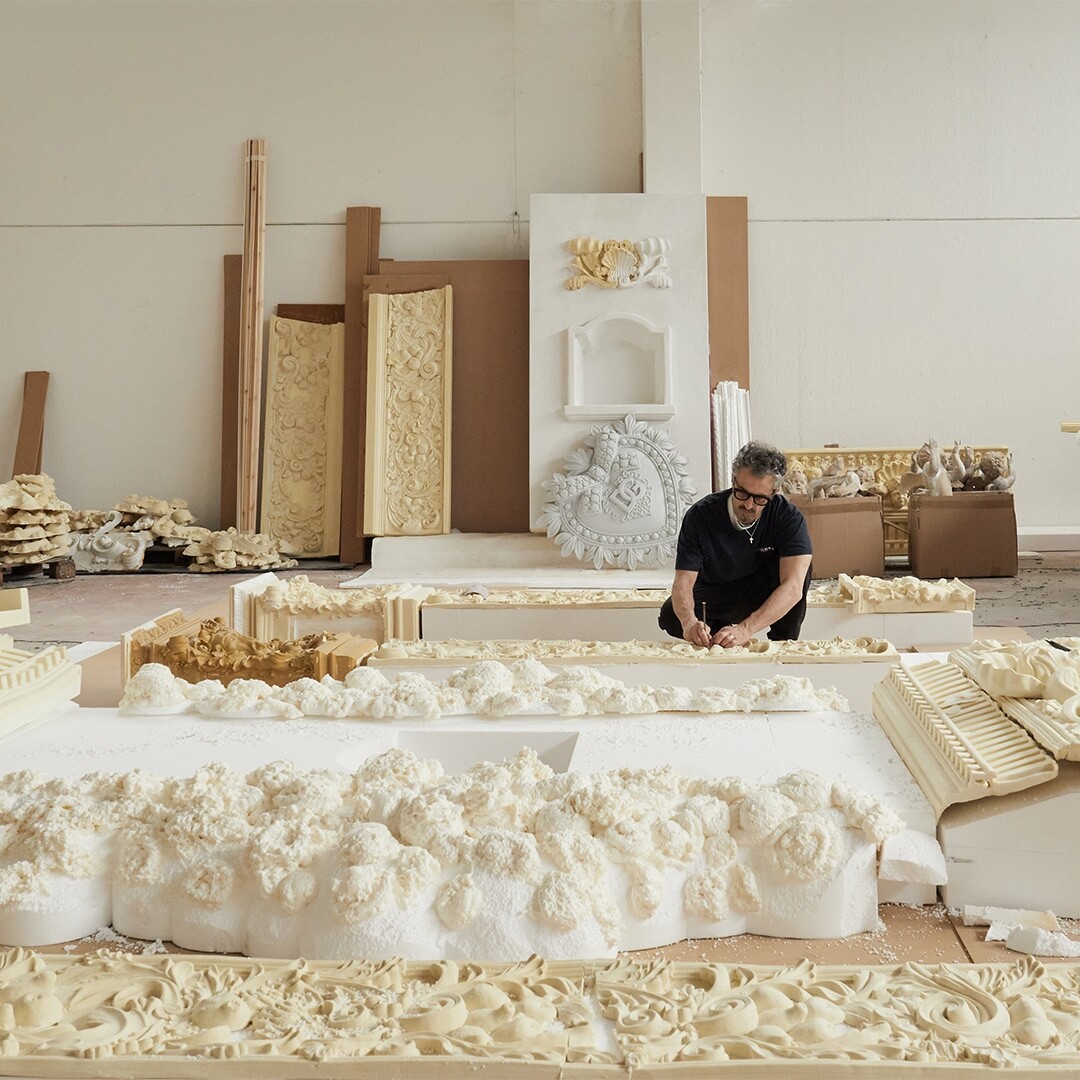
White Baroque is one of the most visually compelling rooms in the exhibition. Inspired by the work of Giacomo Serpotta (1656–1732), the outstanding master of Sicilian stucco sculpture whose reliefs adorn numerous churches in Palermo, the room translates the ornamental density of seventeenth- and eighteenth-century interiors into the language of refined textile construction: cherubs, volutes, pilasters, niches, and caryatids.

Serpotta developed a distinctive technique of allustratura — a final polishing of reliefs using a mixture of slaked lime, gypsum, and marble dust that gives surfaces their characteristic luminous whiteness. In Dolce&Gabbana’s interpretation, Baroque forms are modelled using horsehair and wadding to construct volume, then covered with duchesse and mikado fabrics. These sculptural textiles reproduce the sheen and plastic density characteristic of Serpotta’s stucco work.

The room’s scenographic environment was developed in collaboration with Lunati Manufacturing, a Modena-based set production company led by Lorenzo Lunati and specialising in environmental construction since 1997. Working across a combination of artisanal modelling and technical fabrication, the studio contributed to the realisation of the White Baroque setting, drawing on a Baroque production logic that begins with clay modelling, continues through plaster moulds, and culminates in finished sculptural reproductions.
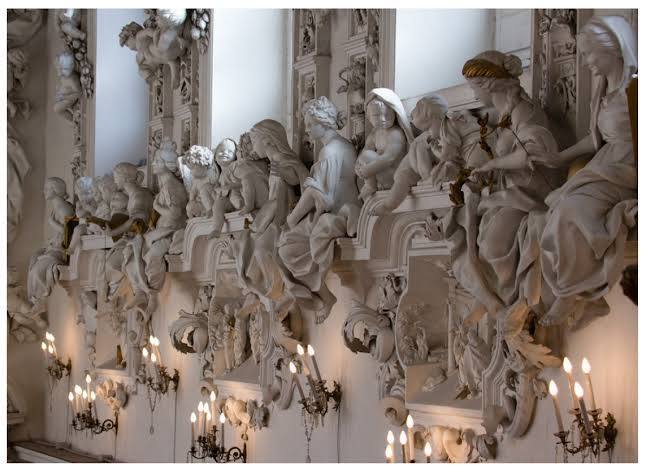
Giacomo Serpotta (1656–1732) was a master Italian sculptor from Palermo, renowned as the undisputed genius of Rococo stucco decoration. He transformed simple plaster into incredibly delicate, lively, and graceful figures, earning him the title of the "magister stuccator".
Lunati Manufacturing, led by owner Lorenzo Lunati, is a Modena-based company that has specialised in set creation since 1997. With a commitment to crafting surprising and exciting environments, the company is renowned for its ability to transform visions into tangible realities.
Lorenzo Lunati, owner of Lunati Manufacturing, has led a Modena-based company specialising in set creation since 1997. The studio focuses on scenographic production, developing environments that combine artisanal modelling with technical fabrication, translating conceptual designs into built spatial realities.

Installation View: White Baroque | From the Heart to the Hands: Dolce&Gabbana – ICA Miami, 2026

Image Courtesy: Dolce&Gabbana / Greg Kessler

The Art and Craft of Glassworking

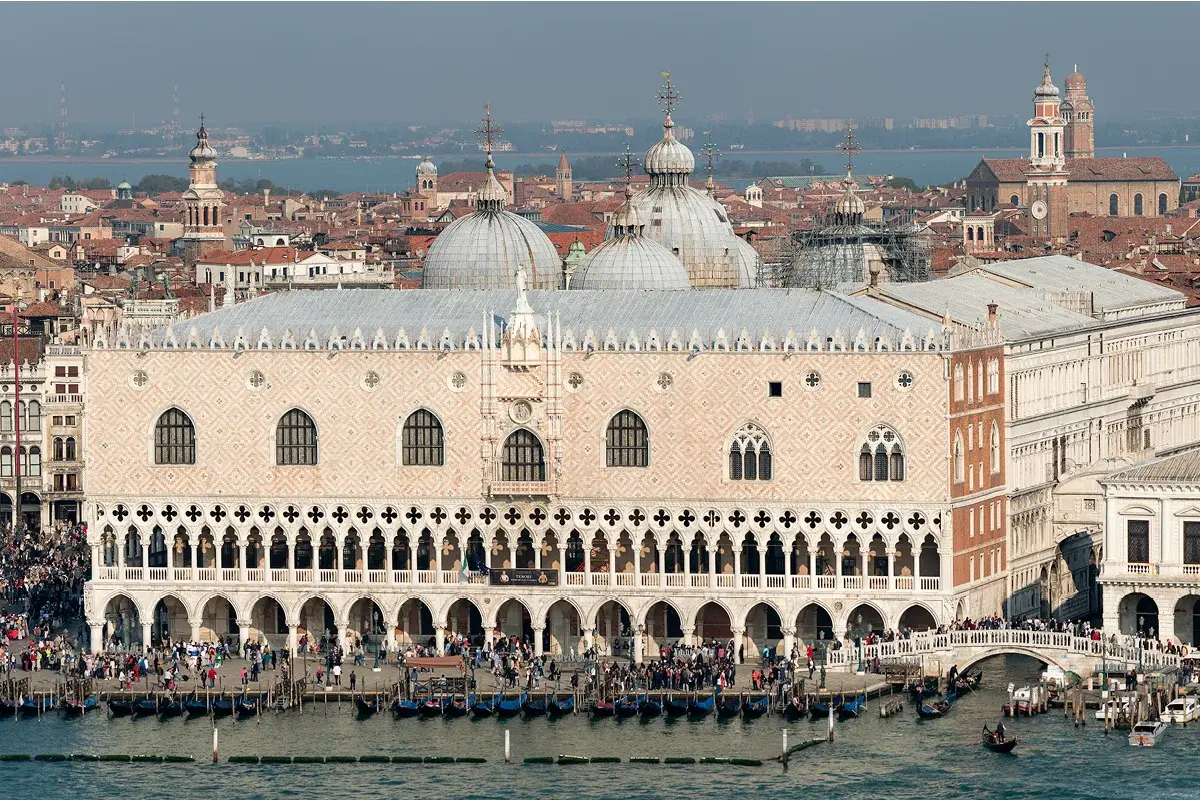
The glassworking room unfolds as an analytical study of one of Italy’s most technically complex and historically significant crafts. The starting point is an Alta Moda collection presented in Venice in 2021, in front of the Doge’s Palace, where sartorial works embroidered with crystal pay homage to the city’s exceptional glassmaking tradition — a defining element of the visual identity of the Serenissima.

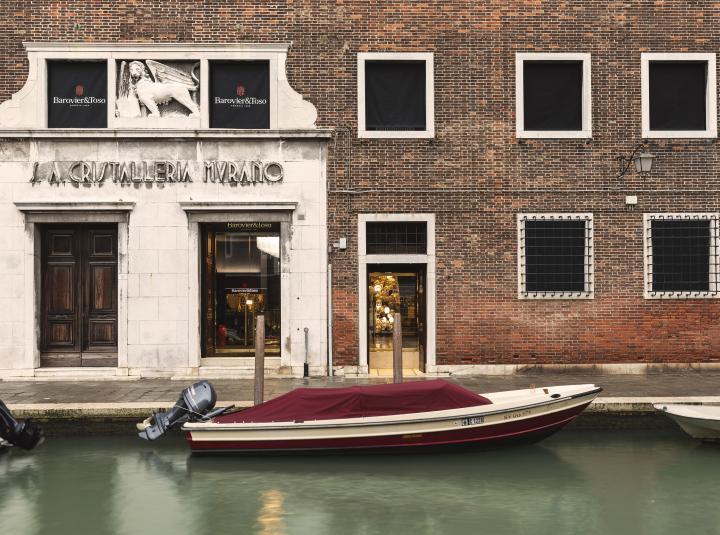
Central to this narrative is the Barovier family workshop, founded in 1295 and regarded as one of the oldest continuously operating craft enterprises in the world. Glass production on Murano dates back to the thirteenth century and reached a historic peak under Angelo Barovier, who in 1455 is credited with perfecting Venetian crystal. In the twentieth century, Niccolò Barbini revived the production of Murano mirrors; today, Vincenzo and Giovanni Barbini continue to preserve and develop this craft lineage. The works presented in this room demonstrate the continuity and technical virtuosity of this living heritage.
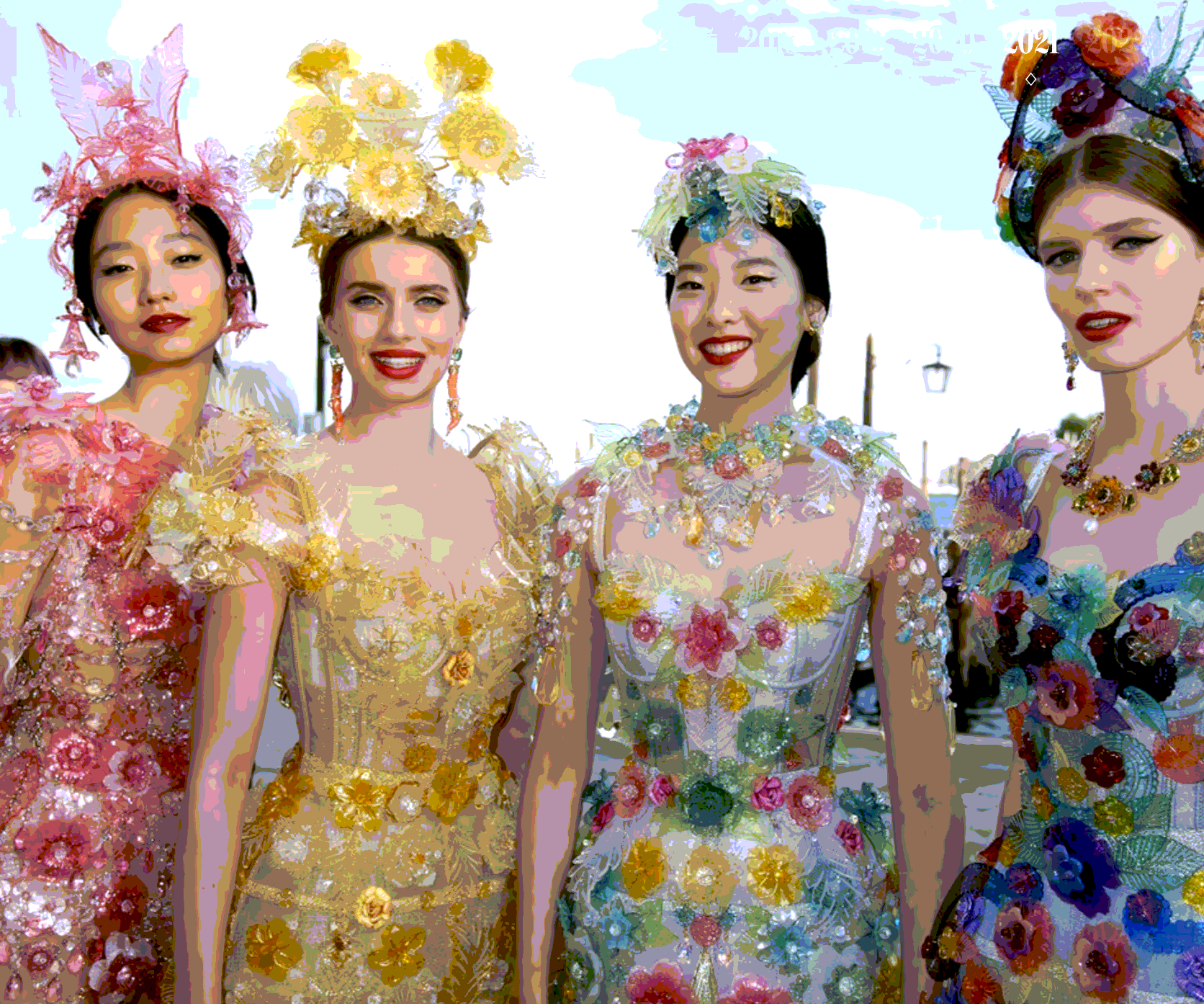
Held in August 2021, the Dolce & Gabbana Alta Moda showcase in Venice was an opulent, three-day celebration of Italian craftsmanship and Venetian heritage. Set against the historic backdrop of Piazza San Marco—a location that had never hosted a fashion show prior—the event featured breathtaking displays of high fashion, art, and jewelry
The Doge's Palace is a palace built in Venetian Gothic style and one of the main landmarks of the city of Venice in northern Italy. The palace included government offices, a jail, and the residence of the Doge of Venice, the elected authority of the former Republic of Venice.
The Barovier (Barovier&Toso) family is one of the oldest family-run businesses in the world, with origins in Murano, Italy, dating back to 1295. Renowned for their mouth-blown "Cristallo Veneziano" and luxurious handcrafted chandeliers, their legacy of generational craftsmanship remains unmatched in the art of Venetian glassmaking.

Installation View: The Art and Craft of Glassworking | From the Heart to the Hands: Dolce&Gabbana – ICA Miami, 2026

Image Courtesy: Left ← Dolce&Gabbana / Greg Kessler / Right → Fillin Magazine

Rome, Eternal Beauty

One of the rooms making its debut in the Miami iteration of the exhibition, Rome, Eternal Beauty is devoted to the ecclesiastical splendor of Rome, reinterpreted through the language of Alta Sartoria. In the aesthetic system of Dolce&Gabbana, Rome stands as the embodiment of eternal beauty and supreme spiritual authority.

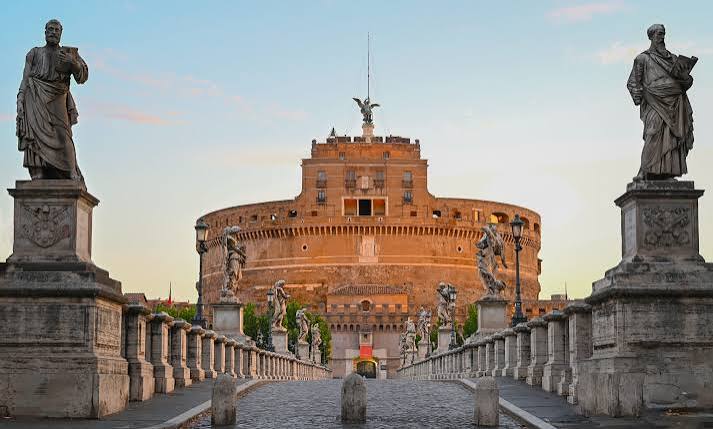
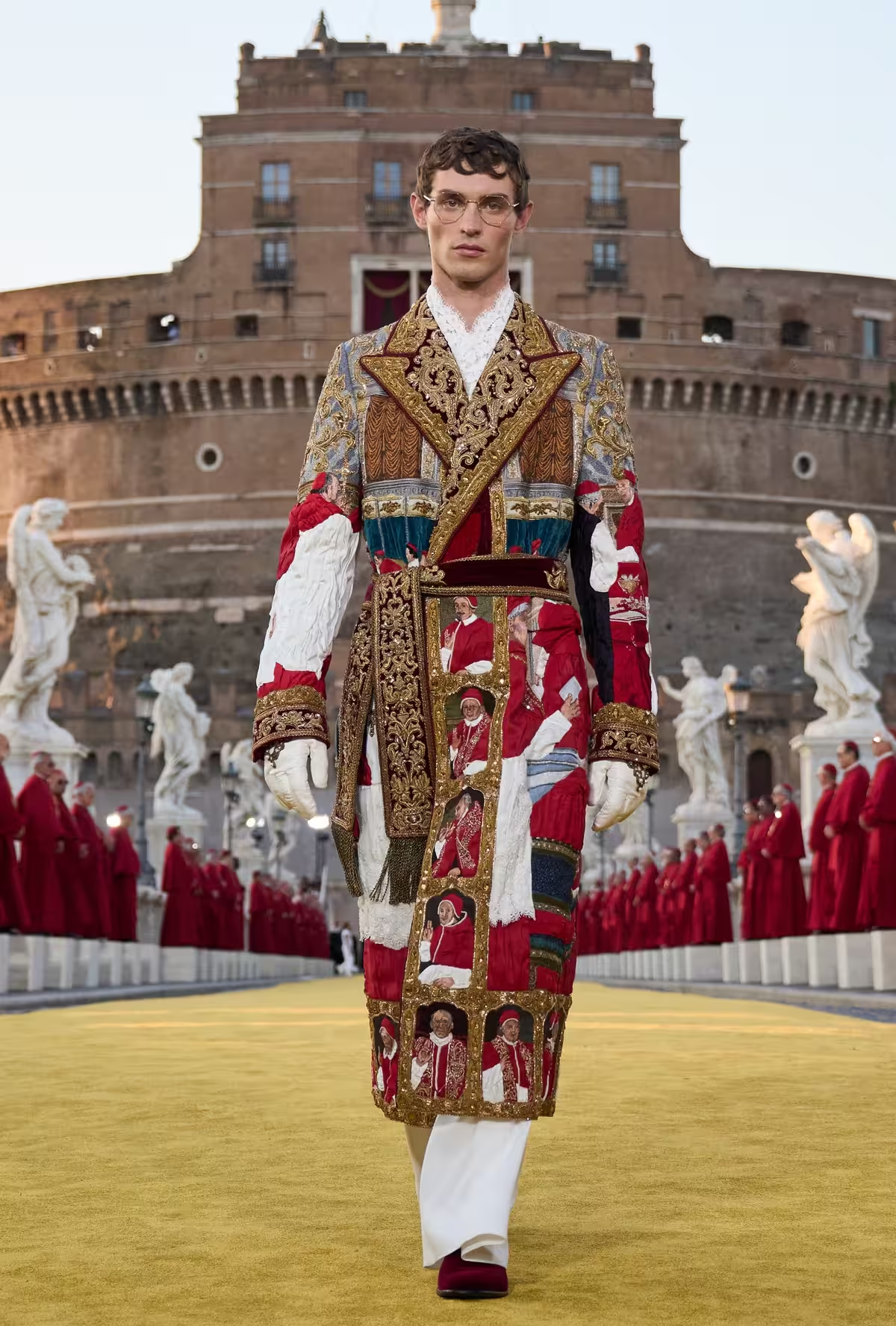
In July 2025, the designers chose the Eternal City as the central stage for their presentations: Alta Moda was shown in the Roman Forum, and Alta Sartoria on Hadrian's Bridge, leading to the Castel Sant'Angelo — the mausoleum of Emperor Hadrian (AD 123), which subsequently became one of the principal papal residences.

The collection systematically rereads the ecclesiastical grandeur of Rome: papal mantles, embroidered surplices, chasubles, dalmatics, pastoral crosses, and stoles. Images of Saints Peter and Paul rendered in stumpwork appear on pleated bodices; a monstrance of glass beads and crystals is worn over black silk lace; a velvet cape featuring angels of the Passion in metallic embroidery and lurex; and a robe-coat encrusted with sequins, resin threads, and metal cabochons — each piece elevated to the status of a museum object.
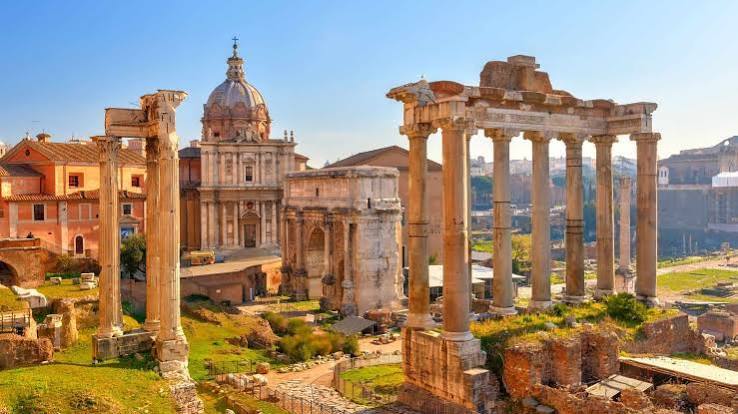
The Forum was originally covered by a swamp. It was only in the late 7th century BCE that the valley was reclaimed and the Roman Forum began to take shape. It was destined to remain the centre of public life for over a millennium.
The National Museum of Castel Sant’Angelo, also known as the Mausoleum of Hadrian, is an iconic fortress located on the banks of the Tiber River in Rome, connected to the Vatican via the Passetto di Borgo.
Publius Aelius Hadrianus (AD 76–138), known to us as Hadrian, was born in Rome on 24 January AD 76. His family – the Aelii – were from ltalica in the Roman province of Hispania Baetica (near Seville in modern-day Spain). Hadrian’s father died when he was only ten years old and he became the ward of his father’s cousin, the future emperor Trajan.

Installation View: Rome, Eternal Beauty | From the Heart to the Hands: Dolce&Gabbana – ICA Miami, 2026

Image Courtesy: Dolce&Gabbana / Greg Kessler

In the Heart of Ancient Rome

Rome — "the world's greatest film set" — exists simultaneously as a material reality formed by layers of ancient, Baroque, and contemporary urban fabric, and as a cinematic space inscribed in the imagination through the studios of Cinecittà.

For the Alta Moda collection, Dolce and Gabbana fulfilled a longstanding conceptual ambition: to present their looks in motion along the Via Sacra, at the very heart of the Roman Forum — the historical nucleus of imperial, political, economic, and religious power.

The room is staged as a theatricalized gallery of characters — senators, gladiators, matrons, and Vestal Virgins — in costumes by the legendary house of Tirelli Costumi, founded in 1964 and credited with contributing to seventeen Oscar-winning productions. The Vestal Virgins of Dolce&Gabbana are rendered in ethereal gowns of white muslin, mikado, embroidered brocade, faille de moiré, double organza, and silk qadi — fabrics that together form a visual code of purity and ritual sacredness. The gladiators, by contrast, construct a contrasting plastic system through the combination of rigid brass armor and soft tulle skirts of double organza.
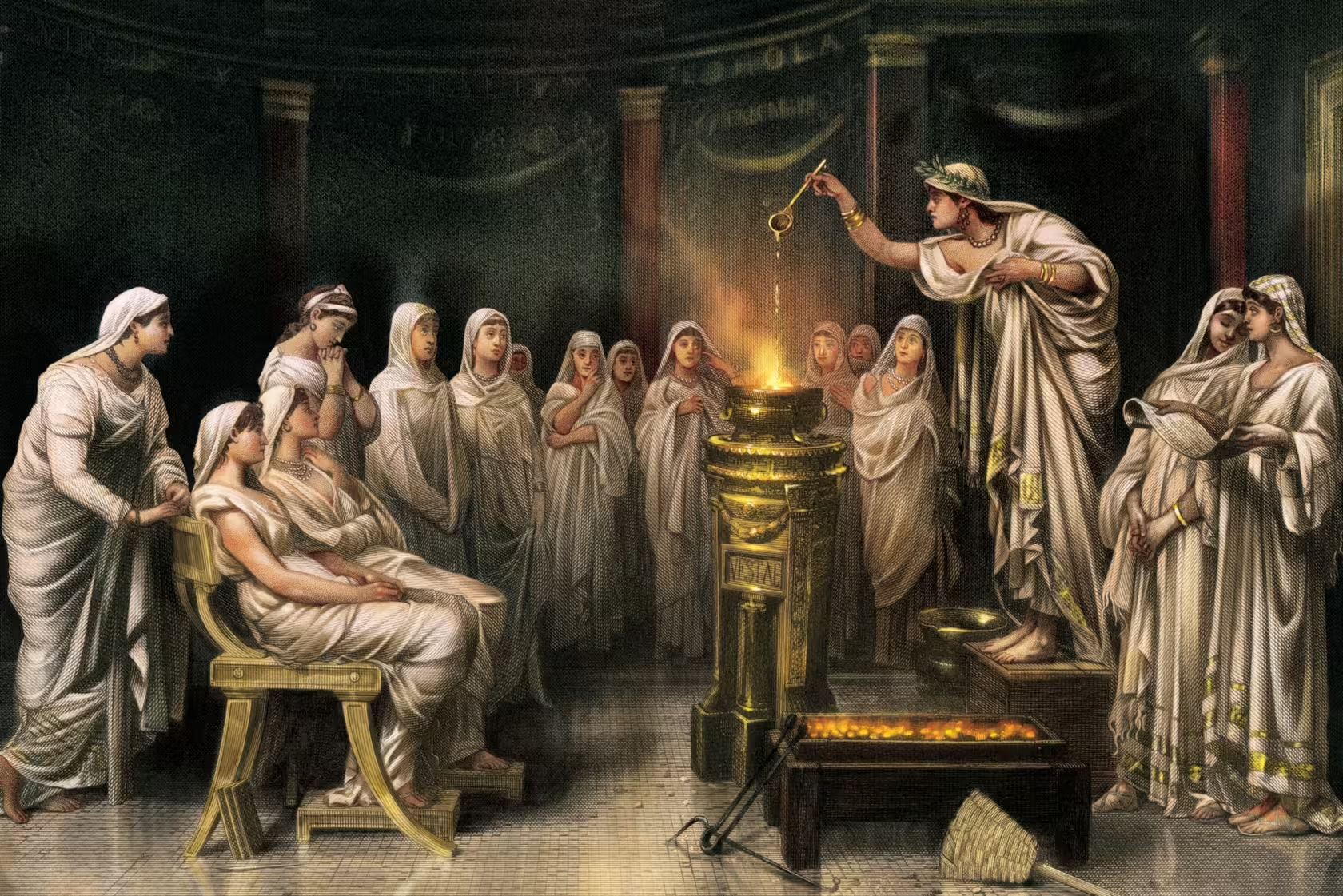
Vestal Virgins, in the Roman religion, were six priestesses representing the daughters of the royal house who tended the state cult of Vesta, the goddess of the hearth. The cult is believed to date to the 7th century BC; like other non-Christian cults, it was banned in AD 394 by Theodosius I.
Tirelli Costumi – at Formello, near Rome, there is a 7,000-square-metre building containing over 15,000 period garments and over 300,000 costumes arranged according to type and period. The former were passionately collected by Umberto Tirelli and diligently added to by Dino Trappetti; the latter were made by the Sartoria that Tirelli himself founded. 

Installation View: In the Heart of Ancient Rome | From the Heart to the Hands: Dolce&Gabbana – ICA Miami, 2026

Image Courtesy: Dolce&Gabbana / Greg Kessler

Anatomy of Tailoring

The corset and the art of tailoring occupy a central place in the visual language of Dolce&Gabbana. This room reveals the anatomy of cut as an independent cultural and aesthetic system, in which the construction of clothing is conceived as a form of spatial modeling of the body.

The designers' approach to silhouette is grounded in the principle of constructing an ideal form superimposed upon natural anatomy. In this logic, the tailor appears as a sculptor of the body — one who works with the individuality of a figure and its plastic possibilities.

In Alta Moda, the corset tradition is traced through a historical genealogy — from eighteenth-century whalebone and nineteenth-century crinolines to the bullet bra of the 1950s and the expressive sensuality of Helmut Newton. In Alta Sartoria, the source of the iconographic system is the heroic spirit of feudal Europe and Greco-Roman antiquity: idealized bodies in the tradition of Donatello, Michelangelo, and Cellini define the complex canvas constructions and inner paddings of the suit. Shadows cast by corset incisions and crinoline frameworks in the video material evoke the practice of Man Ray, in particular his Rayographs.
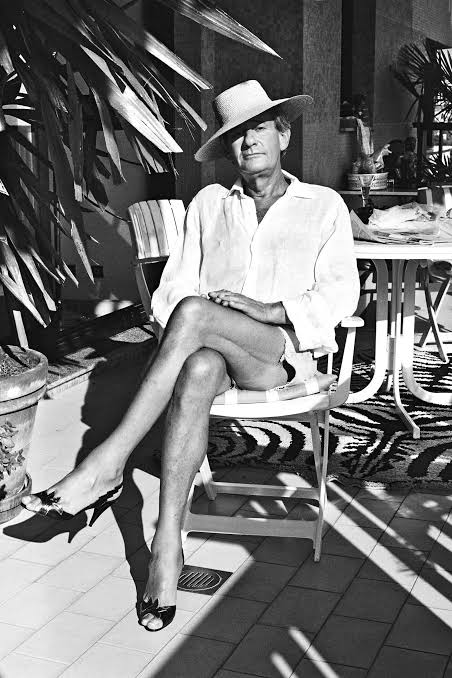
Helmut Newton (1920–2004) was an iconic German-Australian photographer, widely regarded as one of the most influential fashion and fine art photographers of the 20th century. Nicknamed the “King of Kink”, he revolutionized fashion photography by introducing bold, erotically charged, and cinematic imagery.

Installation View: Anatomy of Tailoring | From the Heart to the Hands: Dolce&Gabbana – ICA Miami, 2026

Image Courtesy: Dolce&Gabbana / Greg Kessler

The Art of Sardinia

Dolce and Gabbana devoted the A/W 2024–25 collection to the material and intangible heritage of Sardinia, approaching the island as a multilayered cultural system in which archaeology, craft, and ritual form a single field of meaning.

Alta Moda was presented among the ruins of the Phoenician-Punic city of Nora in the Archaeological Park by the sea — a space surrounded by Roman mosaics and the remains of a first-century amphitheater. Alta Sartoria unfolds against a reconstruction of ancient Sardinian landowners' houses and evokes the atmosphere of the solemn procession of Sant'Efisio, the annual procession in early May in Cagliari dedicated to the saint martyred in AD 330.

The collections pay homage to the traditional Sardinian weaving technique of pibiones ("grape seeds"), executed on ancient looms, and to the ornamentation of ceremonial bread coccoi, hand-carved and decorated as an object of ritual aesthetics. Jewelry featuring gold chains, sapphires, topazes, and rubies reproduces the technique of filigree, rooted in the Phoenician heritage and developed through Arab and Spanish traditions. The room is accompanied by the polyphonic singing of the group Tenores di Bitti — "Mialinu Pira."

Installation View: The Art of Sardinia | From the Heart to the Hands: Dolce&Gabbana – ICA Miami, 2026

Image Courtesy: Fillin Magazine

Ateliers, Ornaments and Volumes

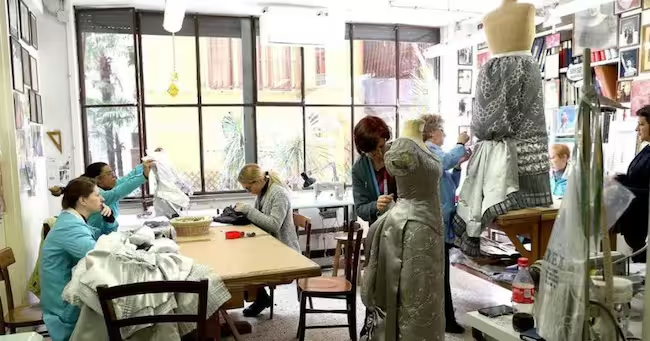
The atelier is the life-generating structure of Alta Moda, Alta Sartoria, and Alta Gioielleria — uniting research laboratories and repositories of craft techniques in which the visions of Dolce and Gabbana are given material form through the work of artisans.

The Milanese atelier, which encompasses a large internal courtyard, brings together approximately 120 specialists who create each piece entirely by hand, individually, for a specific client. Here the production process retains the character of fully manual work, with every element passing through successive stages of craft execution.

Part of the atelier has been temporarily integrated into the exposition, making it possible to capture a fragment of the production process. A selection of black men's suits and women's flou dresses accentuates the significance of black within the house's aesthetic system: as the traditional color of the Italian working class, the Venetian veiling, and the image of Sicilian widows in Neorealist cinema. In this logic, black is treated as the color of essence — the extreme concentration of form in which individuality finds its clearest expression.

Installation View: Ateliers, Ornaments and Volumes | From the Heart to the Hands: Dolce&Gabbana – ICA Miami, 2026

Image Courtesy: Dolce&Gabbana / Greg Kessler

In the Heart of Milan

The room's focal object is a single dress — a construction in gold macramé lace enriched with filigree jewelry elements. It is conceived as a homage to Milan: the city in which all Alta Moda, Alta Sartoria, and Alta Gioielleria pieces are born and brought to life by hand.

The silhouette with its hemispherical skirt reproduces the dome of the Galleria Vittorio Emanuele II — one of the key architectural symbols of Milanese fashion and aesthetic elegance. The dress also references the gilded statue of the Madonnina that has crowned the main spire of Milan Cathedral since 1774. Raised to a height of nearly 110 meters, she presides over a forest of 134 cathedral spires.

In the interpretation of Dolce&Gabbana, the figure of the Madonnina becomes the quintessence of the house's aesthetic system: an image of elevation through the act of creation and impeccable craft mastery — in which the aspiration to absolute elegance acquires the character of a cultural and artistic statement.

Installation View: In the Heart of Milan | From the Heart to the Hands: Dolce&Gabbana – ICA Miami, 2026

Image Courtesy: Dolce&Gabbana / Greg Kessler

Opera

Opera presents the great theatrical tradition of Italian lyrical art as an indispensable creative source — one whose dramaturgy, visual codes, and emotional architecture the designers have consistently translated into the language of fashion.

The immersive staging of this room evokes the interiors of La Scala and draws directly on the repertoire of the Italian operatic canon, transforming the stage into an extension of the atelier and the garment into a form of scenic presence. Embroidery, volume, and material intensity become the equivalents of vocal amplitude and theatrical gesture.

Installation View: Opera | From the Heart to the Hands: Dolce&Gabbana – ICA Miami, 2026

Image Courtesy: Fillin Magazine

Curatorial Note
FILLIN MAGAZINE
From the Heart to the Hands:
Dolce&Gabbana

Is not a retrospective in the traditional sense. It is, rather, an analytical decomposition of the house's visual system — executed with the academic rigor and curatorial precision of Florence Müller.


Sixteen rooms unfold a thesis that, on superficial reading, might appear declarative, but on closer examination reveals a complex structure: the visual identity of Dolce&Gabbana is grounded not in the repetition of formal codes but in the continuous reinterpretation of Italy's cultural memory.


In this logic, Byzantium is transformed into the language of embroidery; Sicilian folklore into the constructive system of Alta Moda; religious symbolism, the operatic tradition, and the image of Imperial Rome into sculptural silhouettes, metallic embroidery, and couture constructions. Murano, Monreale, Agrigento, Sardinia, Venice, Rome, and Milan cease to be geographical points and become material and visual codes, reread through the language of the exposition.


Alta Moda, Alta Sartoria, and Alta Gioielleria thus emerge as interconnected disciplines at the intersection of fashion, the decorative arts, and collectible design. The exhibition itself advances the thesis that enduring identity is formed not through the fixity of visual systems but through the depth of cultural rootedness and the capacity for continuous reinterpretation.


Practical information: dolcegabbanaexhibition.com